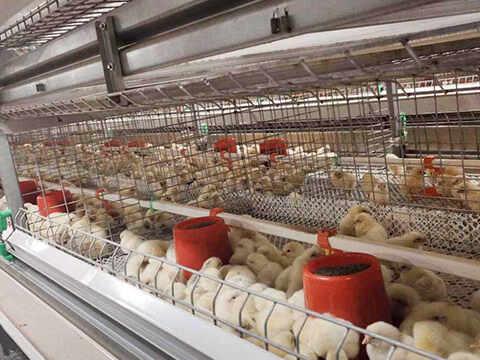
In today’s poultry industry, efficient waste management has evolved from an environmental necessity into a significant revenue opportunity. With rising global demand for organic agricultural inputs, converting poultry manure into high-grade granular fertilizer represents a smart and sustainable business strategy. A modern organic fertilizer production line provides a systematic, turnkey solution to transform waste into a profitable product, addressing both regulatory compliance and economic growth.
The Core Process: A Three-Stage Conversion System
A complete and efficient poultry manure fertilizer plant typically operates through three integrated stages, ensuring thorough transformation and value addition.
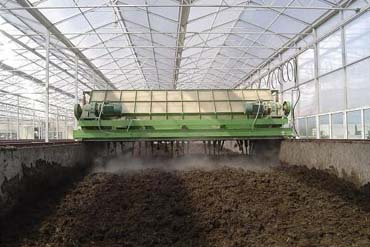
Stage 1: Efficient Pre-treatment & Composting
The process begins with specialized equipment like crawler-type compost turners, designed for high-moisture manure. This stage ensures proper aeration, initiates the fermentation process, and can reduce raw material volume by 40-50%, while eliminating pathogens and stabilizing nutrients.
Stage 2: Controlled Fermentation & Stabilization
The pre-composted material is then transferred to an intelligent fermentation system (e.g., a vertical fermenter). This controlled, enclosed environment allows for precise management of temperature, moisture, and aeration. It significantly speeds up the fermentation cycle, ensures complete sanitization to meet organic standards, and effectively contains odors.
Stage 3: Granulation & Finishing
The fully fermented organic matter is pelletized in a rotary drum granulator. This process produces uniform, high-strength spherical granules (typically 2-4mm). Integrated drying and cooling systems yield a commercial-grade premium granular organic fertilizer, ready for bagging, storage, and market distribution.
Investment Value & Key Advantages
Investing in a complete organic fertilizer production line delivers clear environmental and financial returns:
Creates a New Revenue Stream: Processed commercial organic fertilizer can be 3-5 times more valuable than raw manure, opening a significant profit center.
Eliminates Disposal Costs: It provides a definitive solution for waste handling, reducing associated costs and environmental pressure.
Supports Circular Agriculture: It closes the nutrient loop on the farm, enhancing sustainability credentials and aligning with green policies.
Delivers Strong ROI: A well-sized production line typically achieves a return on investment within 1.5 to 3 years, ensuring long-term financial benefit.
Choosing an Integrated Solution
A successful transformation relies on a systematic design and reliable engineering. An ideal modern fertilizer production line should offer:
Modular & Scalable Design: Configurable to your current capacity with flexibility for future expansion.
Automation & Control: Minimizes labor dependency and ensures consistent, high-quality output.
Comprehensive Support: End-to-end service from plant design and installation to commissioning and operator training for smooth project execution.
Conclusion
For the modern poultry producer, livestock manure is not a waste product, but a misplaced resource. By implementing a robust and efficient modern organic fertilizer production line, farms can effectively solve environmental challenges while converting by-products into a high-value, marketable commodity. This transition represents more than a technical upgrade—it is a strategic business model innovation that captures the opportunity within the circular economy, driving both sustainability and profitability forward.