Quail Farming System & Automatic Quail Cage Equipment
Complete Automatic Quail Farming System
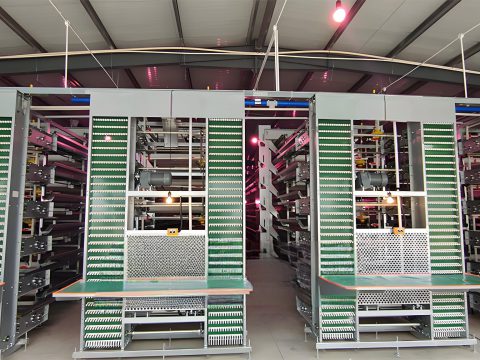
YMAKO provides automatic quail cage systems and quail farming equipment for commercial quail egg and meat production. Our quail breeding solutions include automatic feeding, drinking, manure cleaning and egg collection systems. We also supply duck and turkey farming equipment. YMAKO is a professional poultry breeding equipment manufacturer in China with 20+ years of experience, exporting to 60+ countries worldwide.
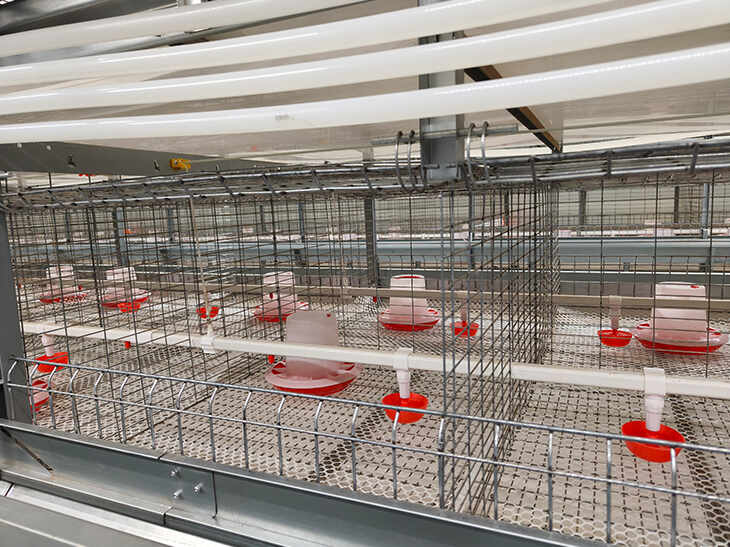
Multi-Tier Quail Cage System
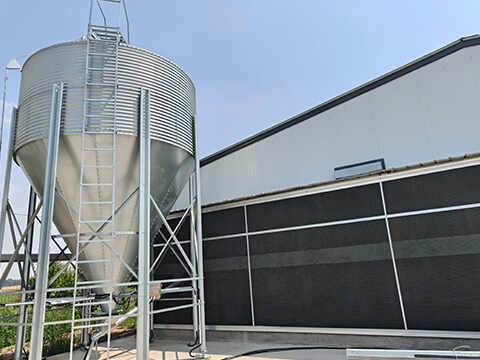
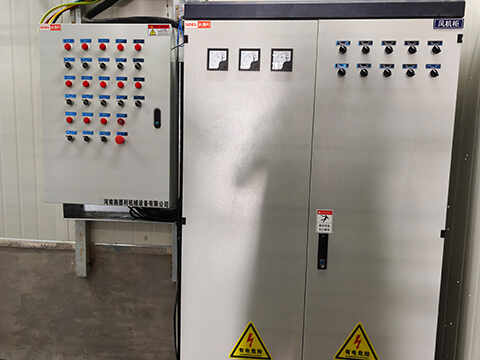
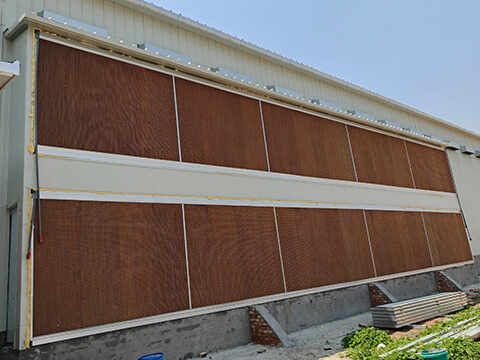
The YMAKO quail and other avian farms environmental control system significantly enhances egg production and growth rates by precisely regulating temperature, humidity, lighting, and ventilation, thereby reducing disease incidence.
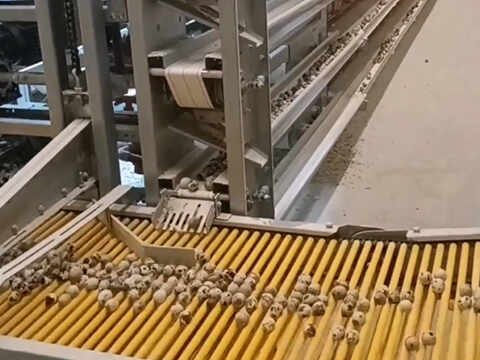
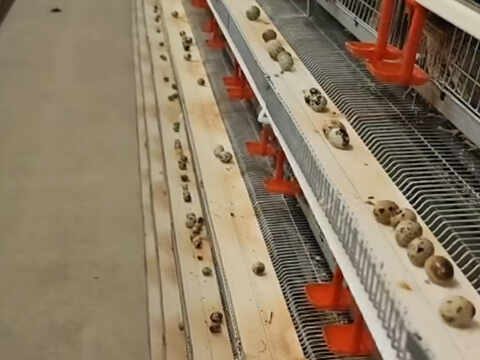
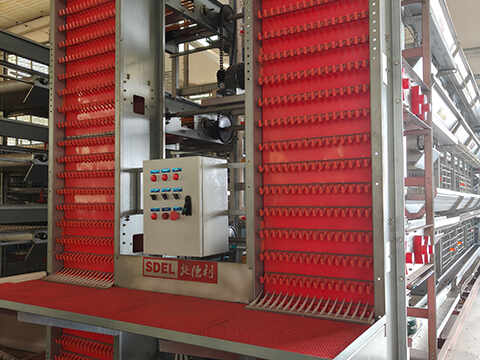
Automated Egg Collection System
The quail and other poultry manure treatment system features double‑layer insulation with stainless steel lining, ensuring corrosion resistance; the main shaft stirs uniformly and efficiently.
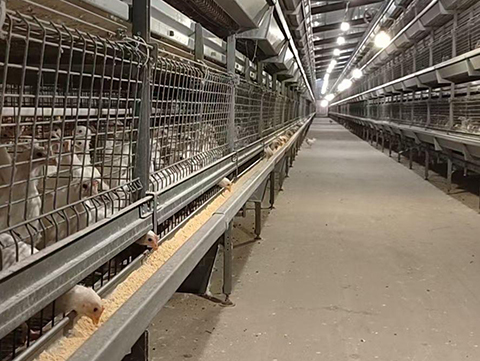
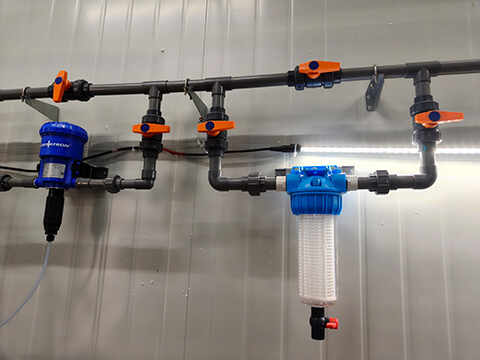
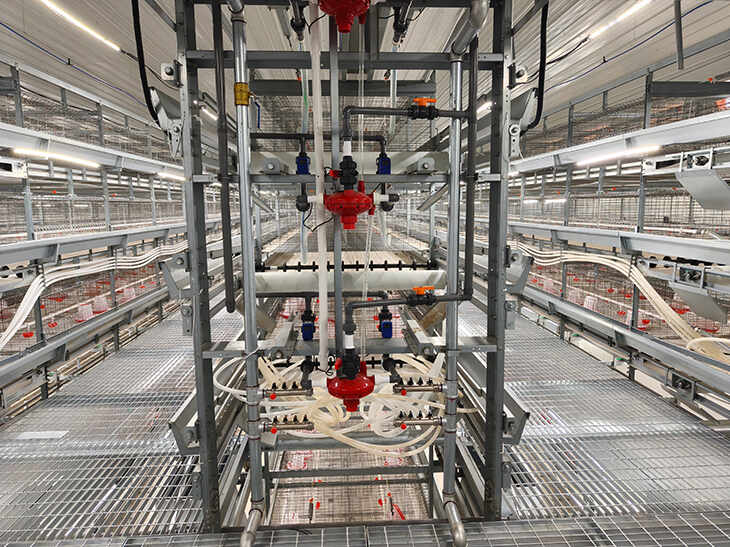
Automatic Feeding & Drinking System
Provide various accessories and support needed for aquaculture sites, offering quick responses and online support.
Our Exclusive Client's
Project Sites


Our Amazing Clients:
Our Customer Cases feature successful projects for global broiler and layer poultry farming users. We provide customized automated poultry cage systems, climate control equipment and organic fertilizer production solutions. Every project proves our strength in professional farm design, quality manufacturing and one-stop service, earning reliable trust from poultry partners worldwide.
Frequently Asked Questions
Beyond standard chickens, we supply cage and floor systems for quail, duck, goose, turkey, and guinea fowl. Quail is the most common — our quail cages are 3-tier stacked decks holding 300-500 birds per square meter depending on quail size. Ducks and geese typically use floor systems with pond access for mallard breeds. Turkey and larger game birds need wider cage dimensions and stronger cage construction than standard layer cages. Each species has specific cage wire gauge, floor mesh size, and feeding system requirements — we don’t use generic configurations.
We design systems from 200 birds upward. Small-scale operations (200-1,000 birds) typically use flat-deck or stacked deck cages with manual egg collection. Mid-size (1,000-5,000) moves to multi-tier automated systems. Commercial operations above 5,000 birds get full automation with belt collection and in-line feeding. We provide cage sizing and layout plans based on your target flock size and available barn space — there is no fixed minimum order.
Quail eggs are small and fragile — manual collection is common at small scale. For larger quail operations, we install sloping wire floors with egg rolls into a collection channel at the front or rear of each tier. This reduces labor significantly at 2,000+ birds. Quail eggs roll naturally due to the 8-10 degree slope, no moving parts needed. Belt collection systems are also available. Expect 90-95% egg collection rate with sloping floor systems; the remainder are caught in trays beneath cages.
We provide the technical parameters — cage dimensions, feeding schedules, light programs, and breeding ratios (males per female by species). For quail, standard ratio is 1 male per 4 females for egg production lines. For meat-type breeds, ratio goes to 1:3. We do not provide genetic or breeding stock, but we work with a network of breeders who can recommend proven parent stock for each species. We also connect you with a hatchery consultant if you are building a closed breeding loop.
Yes, all our systems are modular. You can start with one barn and add cage rows or additional barns with the same feed and water line infrastructure. The PLC controller supports expansion modules — we quote the full capacity upfront so wiring and programming account for future growth. The only constraint is barn layout — we design initial systems with expansion corridors factored in, so confirm your long-term capacity goal at the start. Farms that expand without planning often run into corridor or corridor space problems.