Poultry Farming
Layer Cage System: Complete Guide for Commercial Farms
Layer cage system design, A-type vs H-type comparison, capacity planning for 5,000-200,000 birds, and supplier selection checklist for commercial egg farms.
Layer cage system design, A-type vs H-type comparison, capacity planning for 5,000-200,000 birds, and supplier selection checklist for commercial egg farms.
YMAKO supplies automated layer cage, broiler cage, and pullet cage systems to Kenyan poultry farmers. Hot-dip galvanized, climate-adapted for Kenya’s 15-30°C range. Projects in Nairobi, Nakuru, Mombasa, Kiambu. Local installation team and spare parts warehouse. Free quotation in 24 hours.
Nigeria is the largest poultry market in Africa, and egg demand keeps growing each year. If you are planning a 50,000-bird layer cage Nigeria project, the right cage system shapes your feed conversion, labor cost, and bird health for the next 15 years. In other words, the cage decision is
Effective poultry climate control systems are essential for maintaining optimal bird health, maximizing production efficiency, and ensuring profitability. This guide covers design principles, equipment selection, and operational best practices for modern climate control installations. Poultry Climate Control Systems: Understanding Bird Requirements Poultry birds have specific environmental needs that vary by
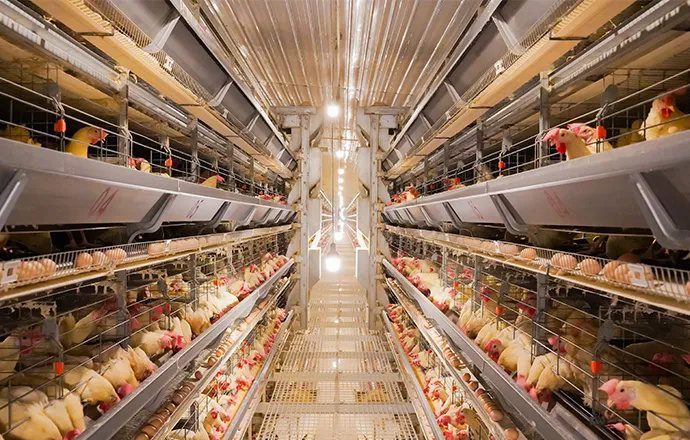
Kazakhstan sits at the crossroads of the Belt and Road Initiative, and the country is rebuilding domestic egg production under state programs. For a 50,000-bird layer project, the right cage system shapes your farm performance for the next 15 to 20 years. This guide covers what YMAKO delivers for Central
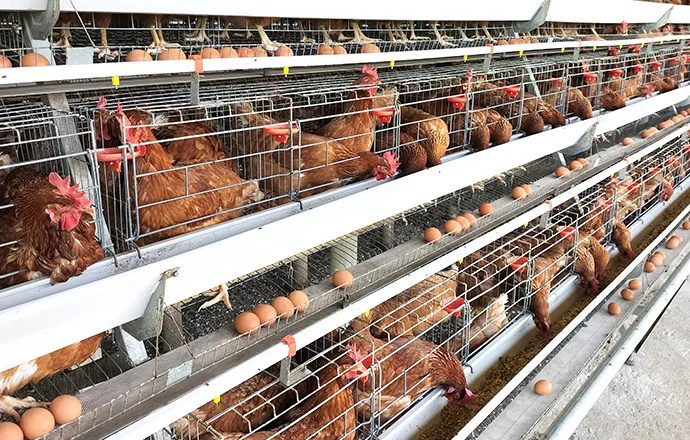
A practical guide to broiler farming in cage systems: H-type vs A-type comparison, 5K–50K bird sizing framework, equipment checklist, and 5-year ROI.
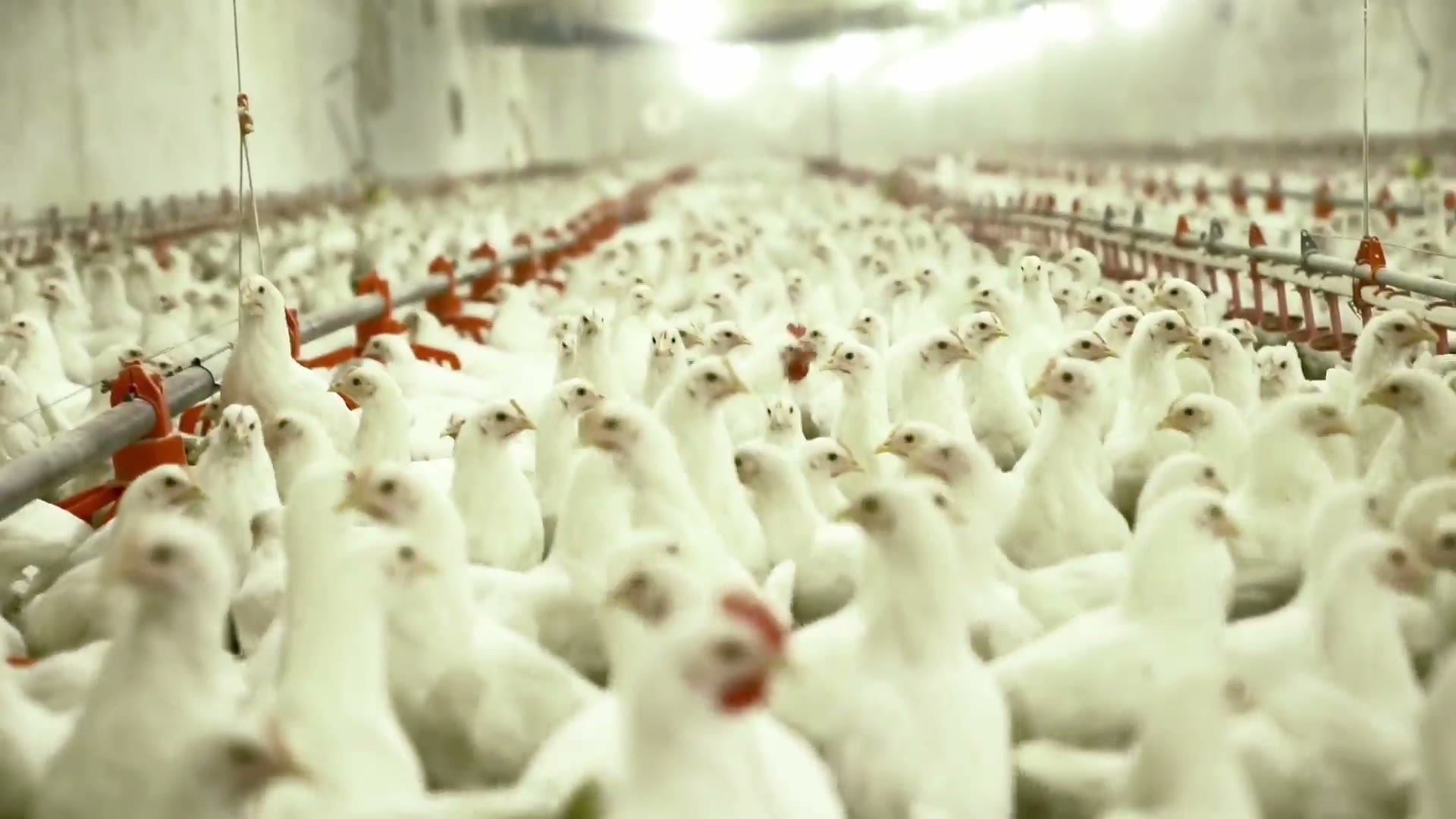
A poultry climate control system explained: PLC controller, fans, cooling pads, heaters, sizing math, and 8–18 month payback from mortality and feed savings.
Complete guide to a commercial layer cage system: A-type vs H-type, 5K–200K flock sizing, equipment list, and 5-year ROI with optional fertilizer revenue.
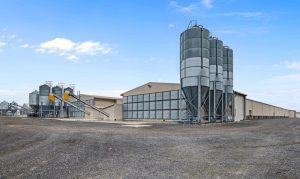
How to specify a layer cage: 4 main types, what to demand in writing from suppliers, and a checklist that separates good factories from risky ones.
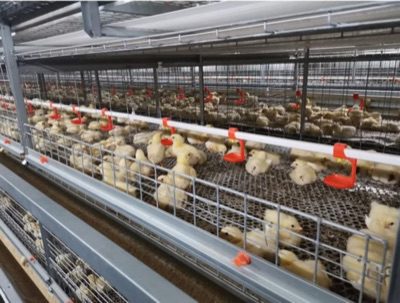
Modern broiler farming in cage systems combines automation with precision management to maximize meat production efficiency. This comprehensive guide covers essential aspects of commercial broiler cage operations, from breed selection to environmental control. Choosing the Right Broiler Breeds for Cage Systems Select appropriate broiler breeds specifically developed for intensive cage
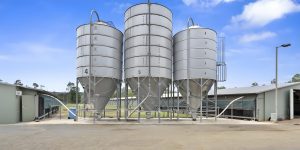
YMAKO completed a 200000 layer farm commercial egg farm project in Southeast Asia — the largest 200000 layer farm project in our history. This case study covers the project background, cage system, environmental control configuration, equipment list, and measurable results. Request a Similar Proposal → — 200000 layer farm —
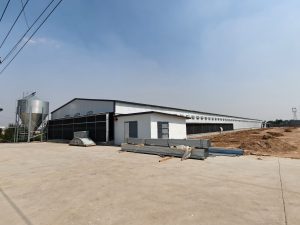
Investing in a modern layer cage system requires understanding the full financial picture. This guide breaks down the key factors that affect return on investment, compares cage configurations, and provides practical setup recommendations for commercial egg production facilities. ROI Calculation Framework Calculate layer cage system ROI by considering both upfront
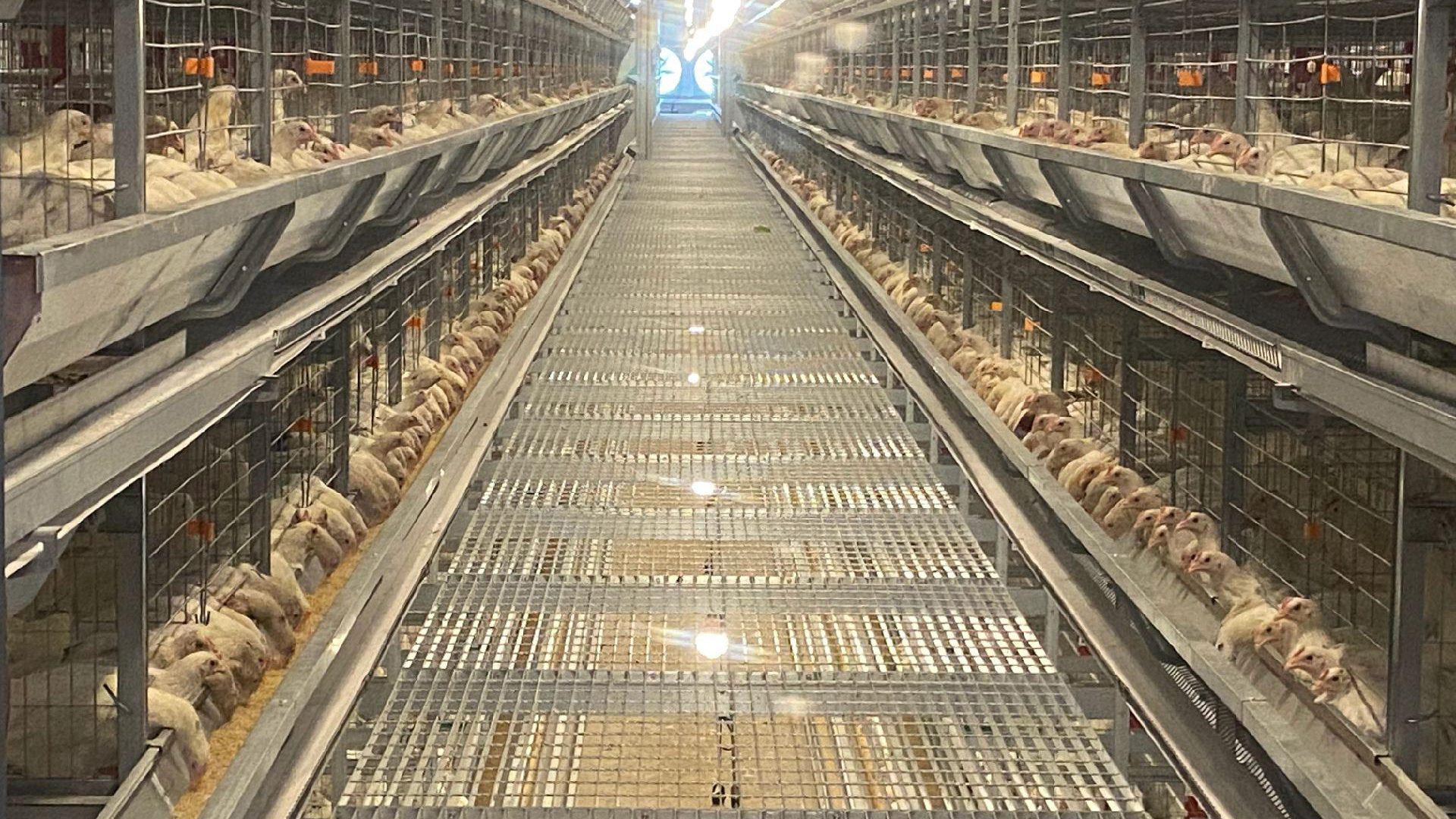
An egg production system is the full set of housing, cage, feeding, watering, climate, lighting, and egg collection equipment that runs a commercial layer flock from day-old pullet to end-of-lay. The system is judged on one number: peak lay rate, measured as a percentage of hens laying per day. A
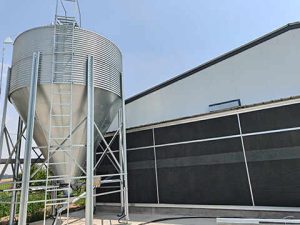
A chicken feeding system is the full set of equipment that moves feed from a storage silo or hopper, through a conveying line, and into the feeding station in front of each bird, on a fixed schedule, with no manual handling between bin and pan. In a commercial layer or
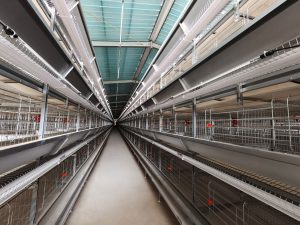
Choosing the right poultry equipment suppliers is no longer just a CapEx decision — it is a 10-year operational commitment. Birds, feed, climate, and labor all flow through the cages, fans, and control boxes you install today, and the wrong match between flock size and equipment class costs more than
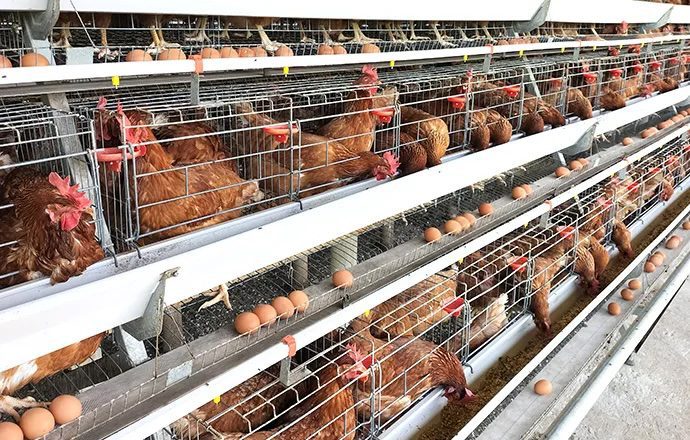
Picking the wrong broiler cage system is one of the most expensive mistakes a poultry farmer can make in year one. A house fitted with the wrong tier count wastes floor space, ventilation suffers, daily labor costs climb, and the birds simply do not grow at the rate the floor
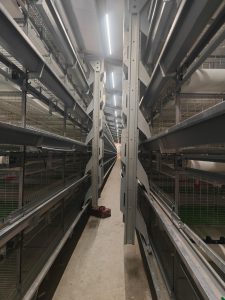
An automatic chicken feeder delivers feed on a set schedule, cuts waste, and frees up labor. Here is how the system works, what it costs, and how to size it for your flock.
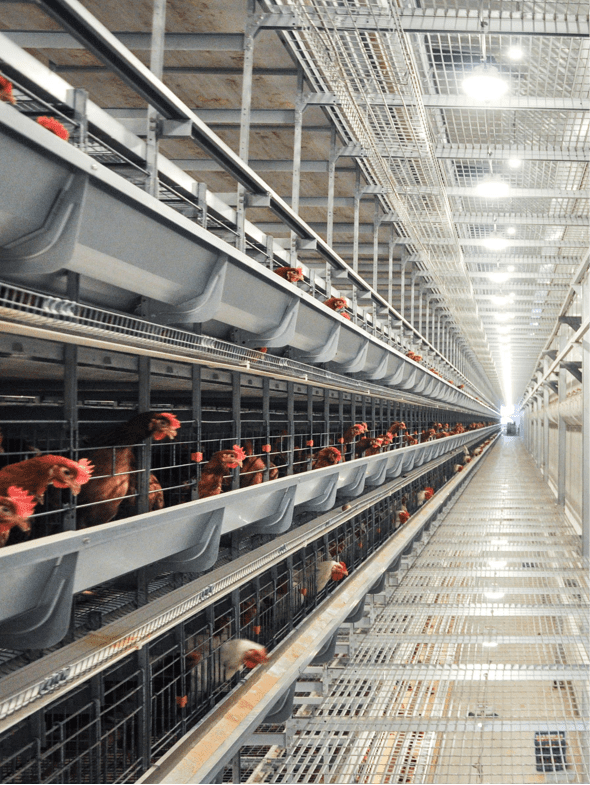
Good poultry house design balances flock size, climate, and equipment layout. This guide covers eave height by tier count, ventilation, and how to plan feeding, drinking, and manure systems.
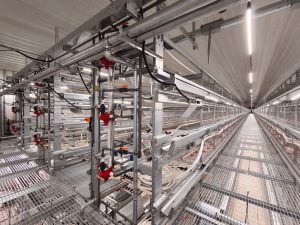
The global poultry farming industry is undergoing a dramatic transformation. As we move through 2026, farmers and agribusiness owners are increasingly turning to automated poultry cage systems to boost efficiency, reduce labor costs, and improve bird welfare. The Rise of Smart Poultry Farming The smart poultry farming system market is
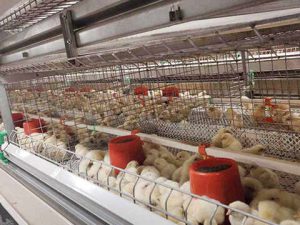
Project Background South Africa is a key region for poultry production, yet many local farms employing traditional methods face common industry challenges. These include suboptimal breeding efficiency, escalating labor costs, and elevated risks associated with disease transmission within flocks. To address these pressing issues and enhance overall farm productivity and