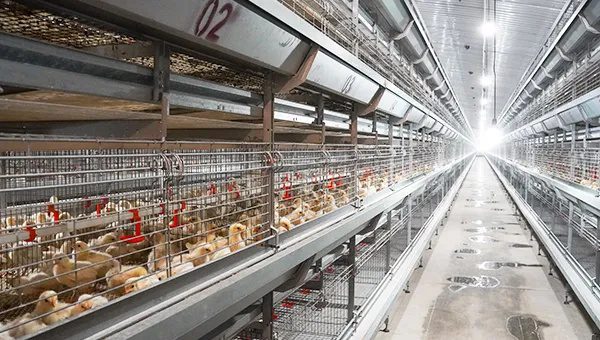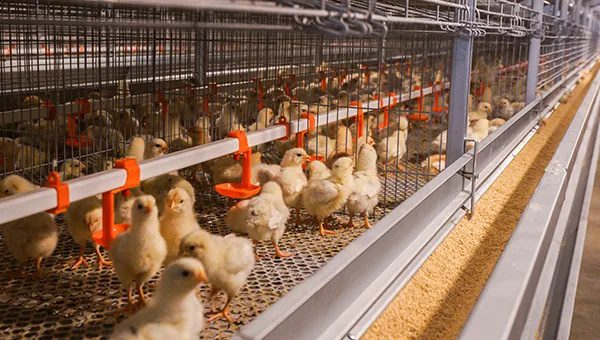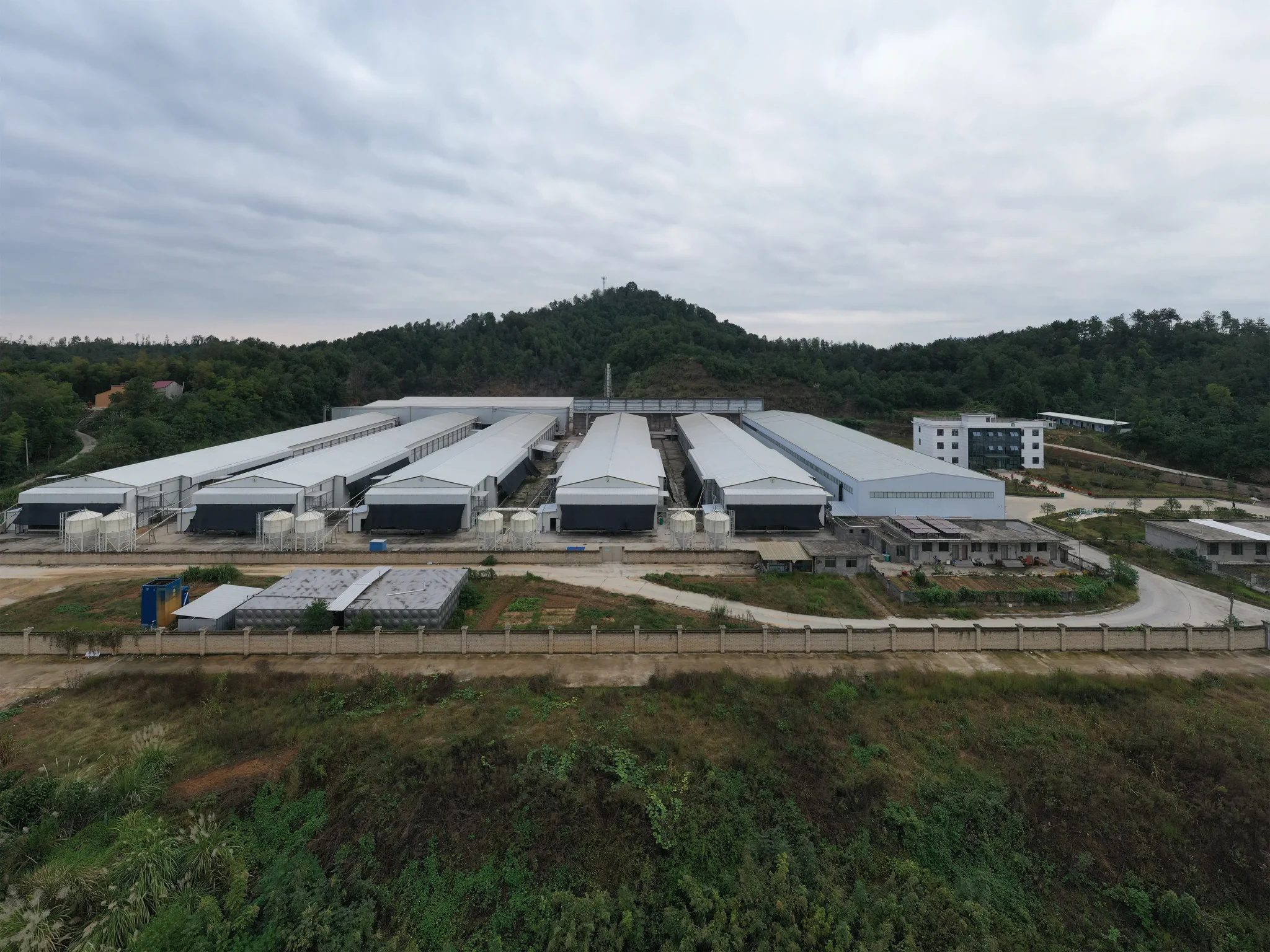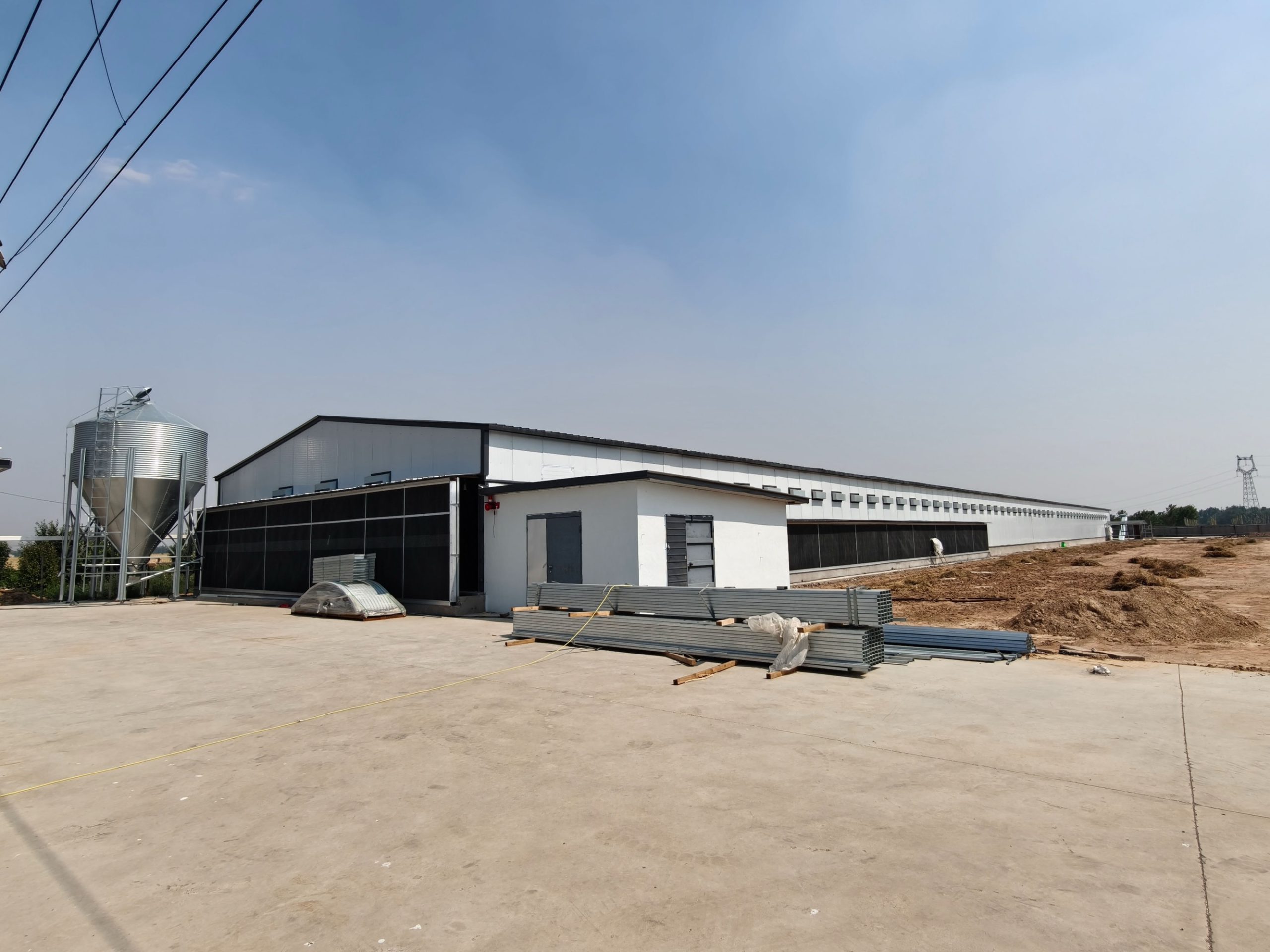
Investing in a modern layer cage system requires understanding the full financial picture. This guide breaks down the key factors that affect return on investment, compares cage configurations, and provides practical setup recommendations for commercial egg production facilities.
ROI Calculation Framework
Calculate layer cage system ROI by considering both upfront investment factors and long-term revenue streams:
Initial Investment Factors:
- Cage system purchase and installation: pricing varies based on configuration, capacity, and customization
- Environmental control equipment: capacity and automation level affect cost
- Automated feeding and watering: depends on house size and integration level
- Manure handling system: varies by system type and processing requirements
Annual Operating Costs (typical ranges):
- Feed (70-75% of operating costs)
- Labor (10-15%)
- Utilities and maintenance (8-10%)
- Veterinary and medications (3-5%)
Revenue Projections:
- Egg production: 300-320 eggs per hen per year
- Feed conversion ratio: 2.0-2.2:1
- Mortality rate: 3-5% annually
- Market price varies by region and season
Most layer cage systems achieve ROI within 3-5 years depending on market conditions and operational efficiency. Detailed financial modeling should account for local labor costs, feed prices, and egg market dynamics. Contact YMAKO for a project-specific quote based on your facility size, production targets, and local conditions.
> Pricing Note: The figures mentioned in this guide are for reference only. Final pricing is based on actual project configuration, capacity requirements, customization level, local installation conditions, and market factors. Contact YMAKO with your project specifications for a personalized quote.
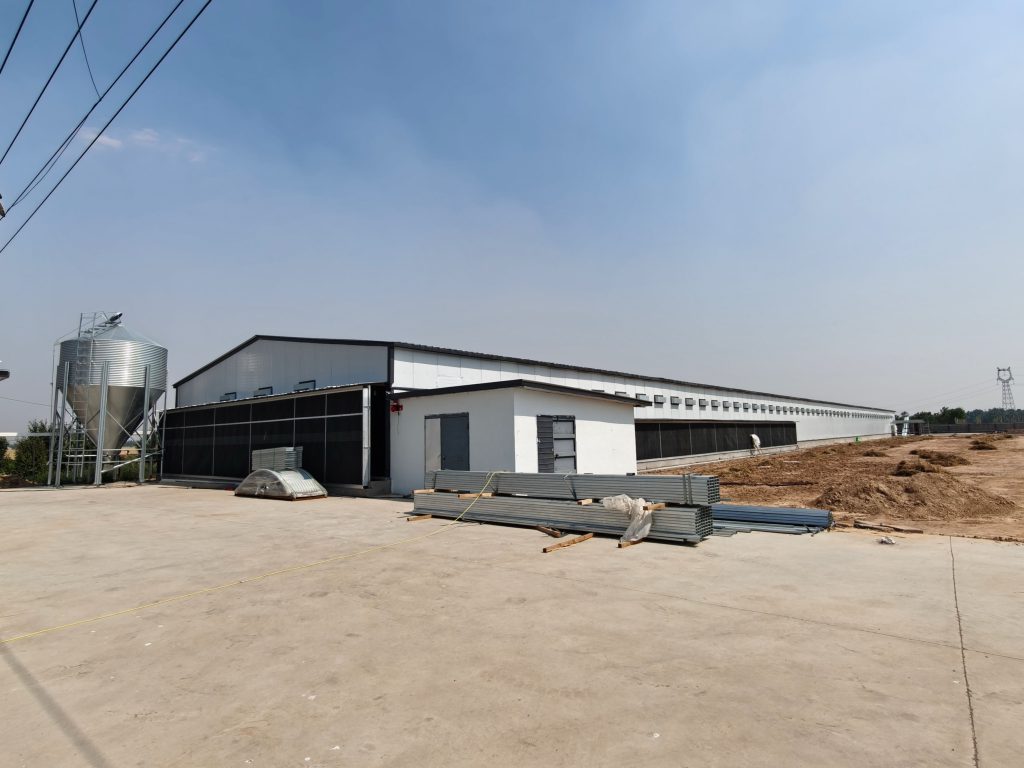
A-Type vs H-Type Cage Comparison
Selecting the appropriate cage configuration significantly impacts facility layout and operational costs:
A-Type Cages
Advantages:
- Lower initial investment compared to fully automated systems
- Simpler installation and maintenance
- Excellent natural ventilation
- Easier bird observation and handling
Considerations:
- Higher labor requirement for egg collection
- Manure accumulation under cages requires regular removal
- Suitable for facilities with 2,000-5,000 bird capacity
H-Type Cages
Advantages:
- Higher bird density per square meter
- Automated egg collection systems integrate seamlessly
- Superior manure management with belt systems
- Lower long-term labor costs
Considerations:
- Higher initial investment due to full automation
- Requires specialized ventilation equipment
- More complex maintenance and repair procedures
- Best suited for facilities 5,000-20,000 birds
Decision Matrix: Choose A-type for small to medium operations prioritizing lower upfront costs and simpler management. Select H-type for large-scale operations where automation justifies higher investment through reduced labor costs. Request a detailed comparison quote from YMAKO to evaluate total cost of ownership for your specific operation.
Stocking Density Optimization
Optimal stocking density balances production efficiency with bird welfare and egg quality:
For A-Type Cages:
- White layers: 450-550 cm² per bird (18-22 birds/m²)
- Brown layers: 500-600 cm² per bird (16-20 birds/m²)
For H-Type Cages:
- White layers: 400-450 cm² per bird (22-25 birds/m²)
- Brown layers: 450-500 cm² per bird (20-22 birds/m²)
Overcrowding reduces egg production, increases mortality rates, and degrades egg shell quality. Regular monitoring of hen behavior, feather condition, and egg output helps identify when density adjustments are needed.
Environmental Control Setup
Layer hens require precise environmental conditions for peak egg production:
Temperature Management:
- Ideal range: 18-24°C
- Automated climate control systems maintain consistent temperatures
- Heat stress protection critical in tropical regions
Lighting Programs:
- 16 hours light / 8 hours darkness for peak production
- Gradual transitions prevent stress
- LED lighting systems provide uniform illumination
Ventilation Requirements:
- Air exchange rate: 0.5-1.0 cubic meters per hour per bird
- Ammonia levels below 20 ppm
- Relative humidity: 60-70%
Invest in automated sensors and control systems that continuously monitor and adjust environmental parameters. This technology pays for itself through improved feed conversion and egg quality.
Automated Equipment Integration
Modern layer systems integrate multiple automated components:
Feeding Systems:
- Auger or chain feeders distribute feed evenly
- Adjustable feed trough levels prevent waste
- Daily monitoring ensures consistent availability
Egg Collection:
- Automated belts collect eggs gently
- Egg conveyors transport to packing area
- Manual quality checks at collection points
Water Management:
- Nipple drinkers provide clean water on demand
- Pressure regulation prevents leaks
- Regular line flushing maintains water quality
Automation reduces labor requirements by 30-40% while improving consistency and reducing human error. However, regular maintenance schedules are essential to prevent equipment failures that could disrupt production.
Manure Management System
Efficient manure handling improves hygiene and creates valuable byproduct:
Belt Removal Systems:
- Automatic removal reduces ammonia buildup
- Regular belt cleaning prevents clogging
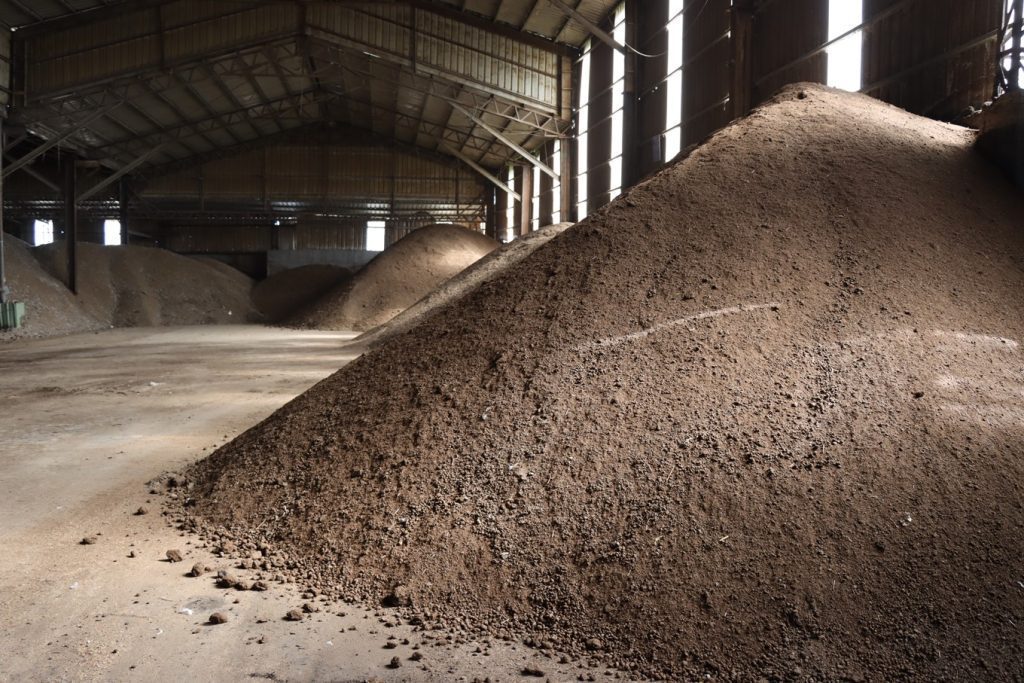
- Manure collection for organic fertilizer production
Storage Considerations:
- Covered storage prevents nutrient loss
- Regular removal intervals vary by climate
- Composting options for waste management
Proper manure management reduces ammonia levels in the house, improving bird health and egg production while creating an additional revenue stream through fertilizer sales.
Financial Performance Benchmarking
Track key performance indicators to monitor system efficiency:
Production Metrics:
- Hen-day egg production: 85-95%
- Egg weight: 60-65 grams
- Feed conversion ratio: 2.0-2.2:1
Cost Optimization Factors:
- Feed cost optimization through phase feeding programs
- Labor efficiency through automation
- Energy management through efficient equipment
Benchmark your performance against regional averages to identify areas for improvement. Continuous optimization of feed programs, environmental control, and bird health management ensures long-term profitability. For a detailed cost analysis specific to your operation, contact YMAKO’s sales team with your project specifications.
Related Resources
Explore additional YMAKO solutions for your poultry operation:
- Broiler Cage Systems for meat production
- Progress-Focused Layer Production Guide
- Industry Articles and Case Studies
Conclusion
Layer cage system ROI depends on careful planning, proper equipment selection, and ongoing performance optimization. By choosing the appropriate cage configuration, implementing automated systems, and maintaining precise environmental control, commercial egg producers can achieve consistent profitability while ensuring bird welfare and product quality. Regular financial analysis and operational audits help maximize returns on your layer system investment.
Ready to evaluate layer cage systems for your operation? Contact YMAKO with your project specifications for a personalized quote and ROI projection based on your local market conditions.
—
FAQ
What is the typical ROI period for layer cage systems?
Most layer cage systems achieve return on investment within 3-5 years. Factors affecting ROI include equipment configuration, local feed prices, egg market conditions, and operational efficiency. Automated systems typically have higher upfront costs but faster payback through reduced labor expenses. Contact YMAKO for a project-specific ROI projection.
How many layers can be housed per cage?
A-type cages accommodate 18-22 birds per square meter for white layers and 16-20 for brown layers. H-type cages support 22-25 white layers and 20-22 brown layers per square meter. Proper stocking density ensures optimal egg production and bird welfare.
What is the difference between A-type and H-type layer cages?
A-type cages are simpler, lower-cost systems suitable for smaller operations with manual egg collection. H-type cages are multi-tier automated systems designed for large-scale facilities, featuring integrated egg collection, higher bird density, and reduced labor requirements through extensive automation.
What factors affect layer cage system pricing?
Layer cage system pricing depends on multiple factors including cage type (A-type vs H-type), capacity, automation level, environmental control integration, and installation requirements. Final pricing is based on actual project configuration and customization requirements. Contact YMAKO with your project specifications for a personalized quote.
What is the ideal temperature for layer hens in cage systems?
Maintain temperature between 18-24°C for optimal egg production. Automated climate control systems help prevent heat stress, which can reduce egg production and quality. Consistent temperature regulation improves feed conversion rates and hen health throughout the laying cycle.
Related Layer Cage Guides
This guide covers ROI and setup economics. For a parallel deep-dive on how to choose the right layer cage type, size, and supplier — including spec checklist and supplier evaluation — see the companion article Layer Cage: How to Choose the Right Type, Size, and Supplier.
For the design and capacity comparison across A-type 3-4 tier and H-type 4-8 tier configurations, see Layer Cage System: Design, Capacity, and Economics for 5K–200K Layer Farms.