Choosing the right poultry equipment suppliers is no longer just a CapEx decision — it is a 10-year operational commitment. Birds, feed, climate, and labor all flow through the cages, fans, and control boxes you install today, and the wrong match between flock size and equipment class costs more than any discount a buyer can negotiate. At YMAKO, we have shipped complete poultry farm equipment to more than 60 countries from our Zhengzhou facility, covering four core product lines — broiler cages, layer cages, climate control, and organic fertilizer — and the same lesson comes back from almost every project: design for tomorrow’s climate, not today’s quote. This guide walks new and expanding farms through what to match to which flock size, with a checklist you can carry into your next supplier meeting.
Sizing Your Setup to Flock Size
3,000 Birds — The Compact Layer Starter
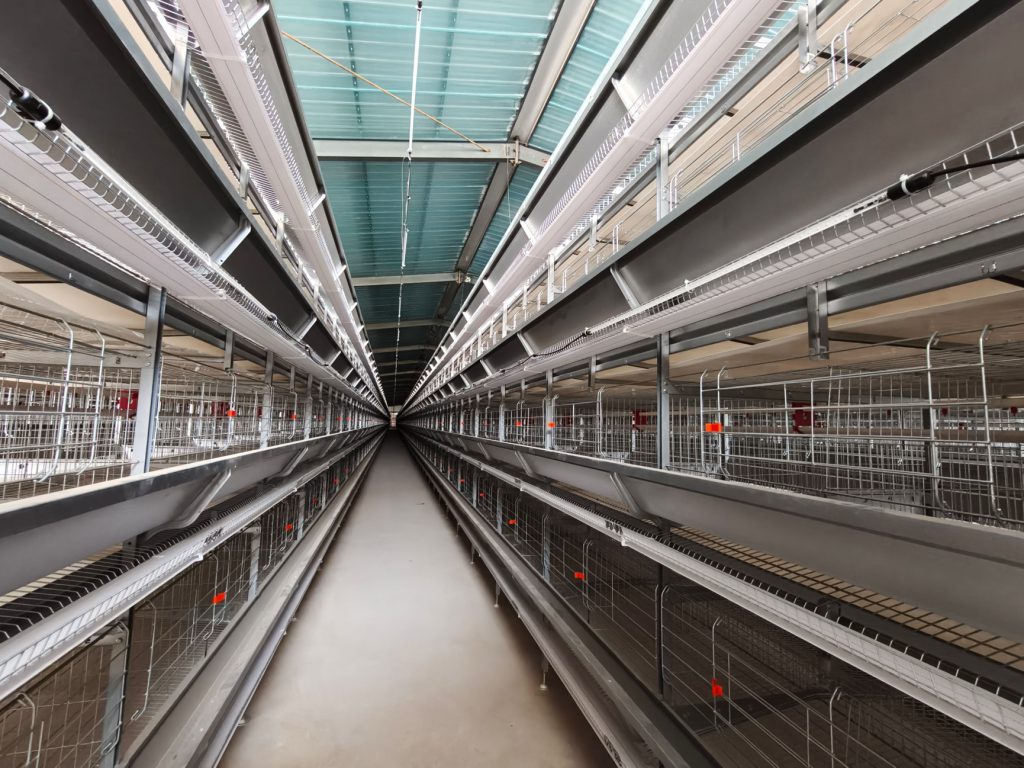
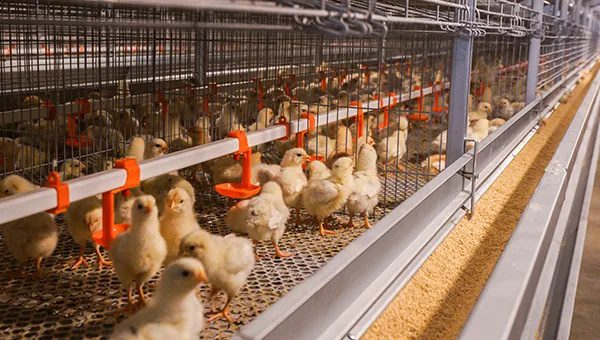
A 3,000-bird layer house is the most common entry point, and the design that works best at this scale is a 3-tier pullet cage system in a single house roughly 50 to 60 m long and 12 to 14 m wide. An eave height of 3.3 m is enough, a single row of A-frame stair-step cages keeps every bird visible for daily inspection, and a basic ventilation system with side inlets plus one 1.0 m × 1.0 m 0.4 kW exhaust fan per gable wall is sufficient in temperate climates. Egg production at this scale can be handled manually or with a small belt conveyor, because a fully automatic central egg collection line would inflate the per-bird cost without paying back. Most buyers in this tier should skip the tunnel ventilation upgrade and focus the budget on good HDG cage coating, a reliable nipple drinker line, and at least one spare gear motor for each subsystem.
10,000 Birds — The Commercial Layer Sweet Spot
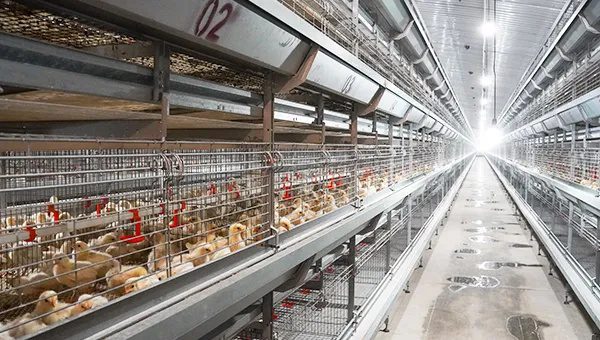
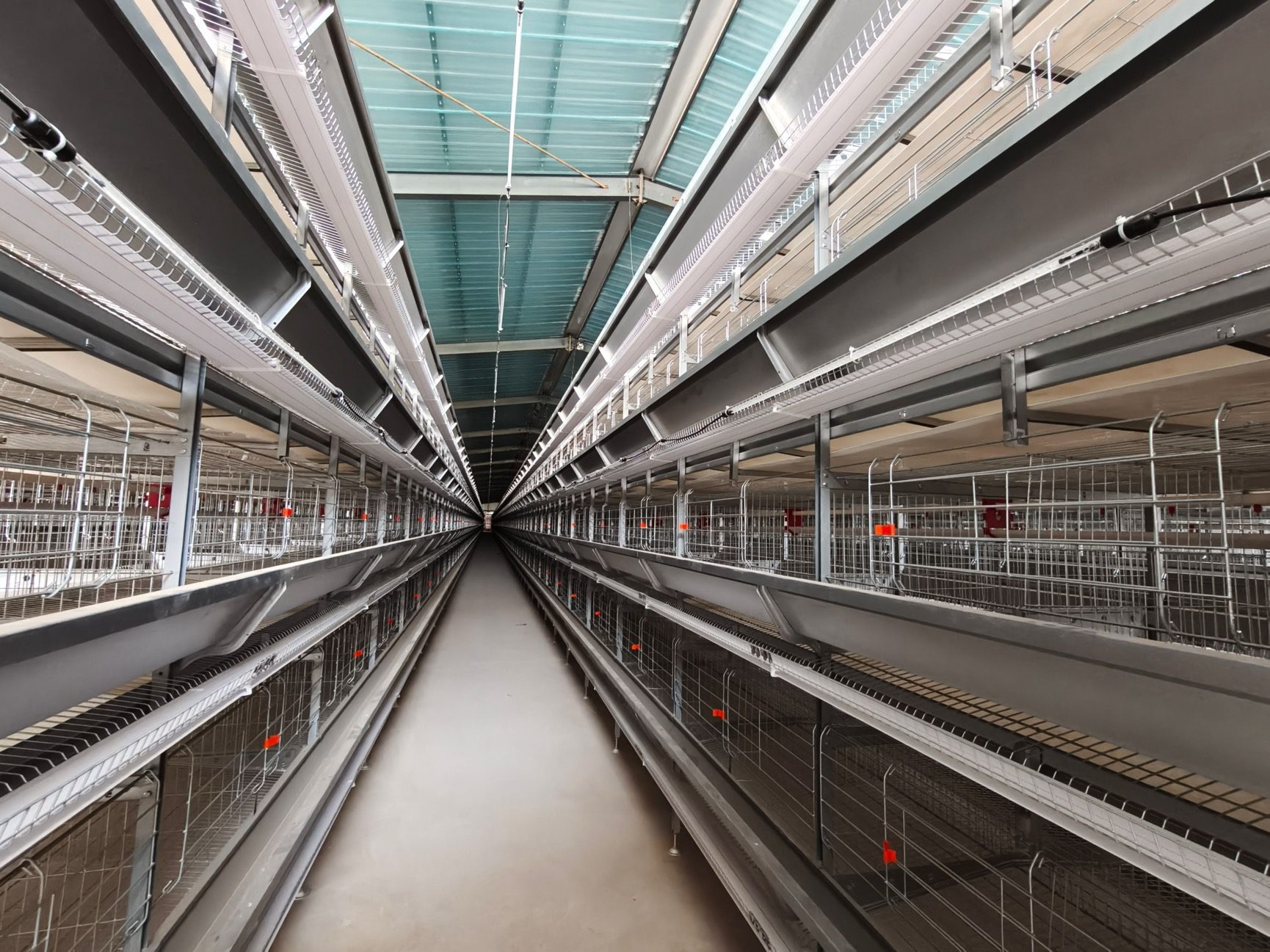
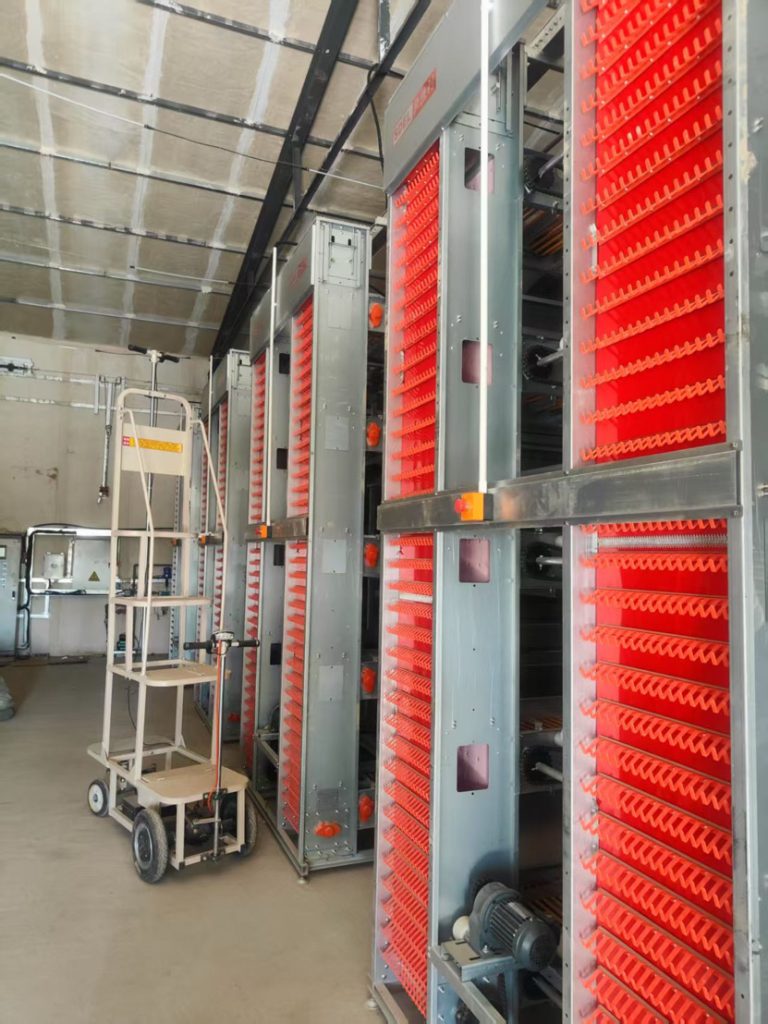
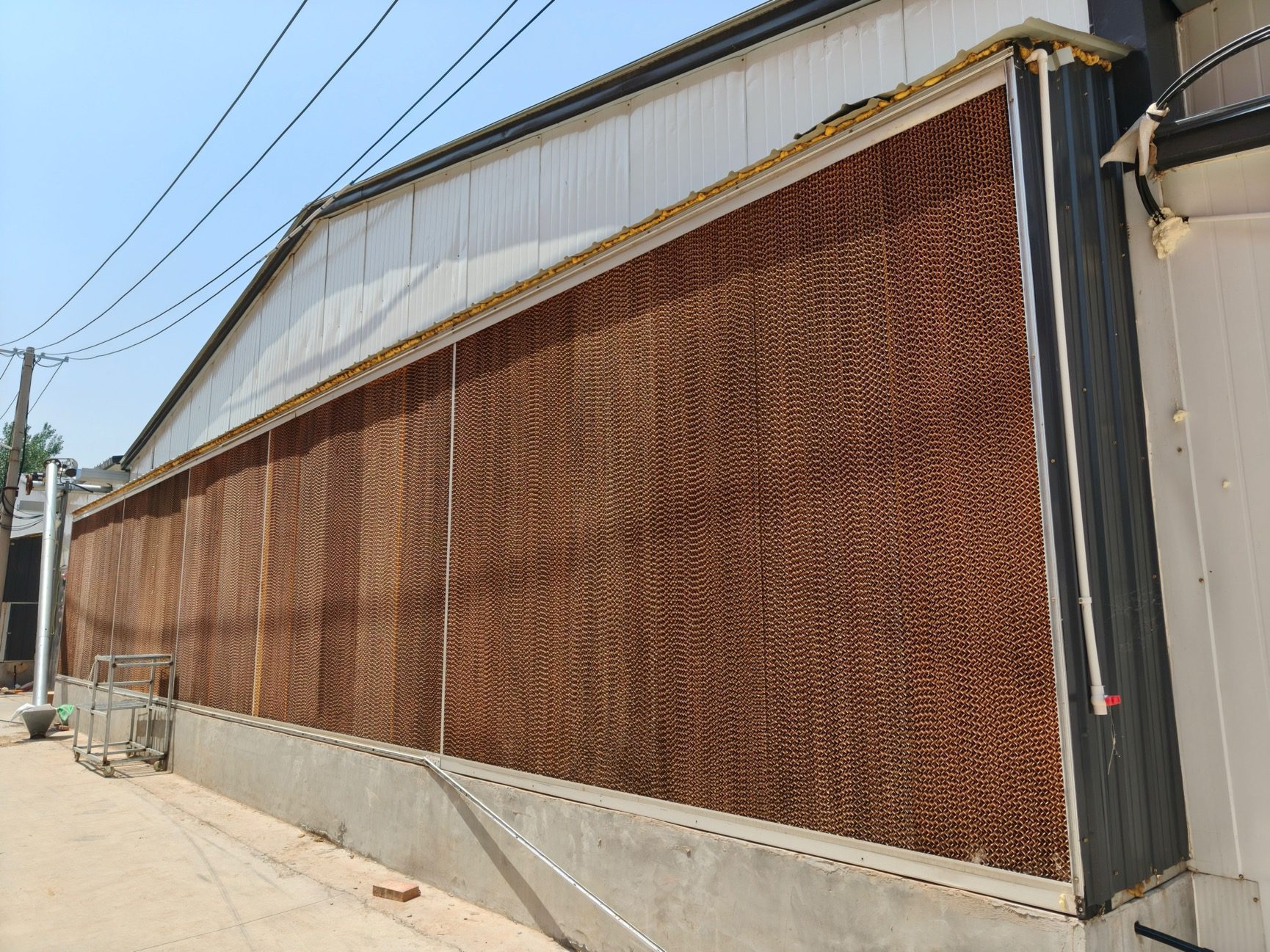
At 10,000 birds, a single house around 70 to 80 m long and 15 m wide, fitted with H-type 4-tier layer cages, becomes the most cost-effective configuration on the market. A four-row layout with central egg collection running at 40 to 45 thousand eggs per hour is the standard YMAKO ships most often to commercial buyers. House width stays inside the 16 m ceiling where per-bird steel and concrete costs are at their lowest, and an eave height of 4.0 m is required to give the climate control system the air column it needs. The ventilation system scales up: a climate control package with at least four 1.38 m × 1.38 m 1.1 kW exhaust fans, 1.5 m cooling pads, and automatic baffles is no longer optional in hot regions. For 10,000-bird buyers, the right trade-off is to invest in the cage frame itself — HDG 275 g/m² coating, column thickness ≥ 2.0 mm, door wire ≥ ⌀5.0 mm — and defer the fancy IoT dashboards until the second production cycle.
50,000 Birds — The Multi-House Production Site
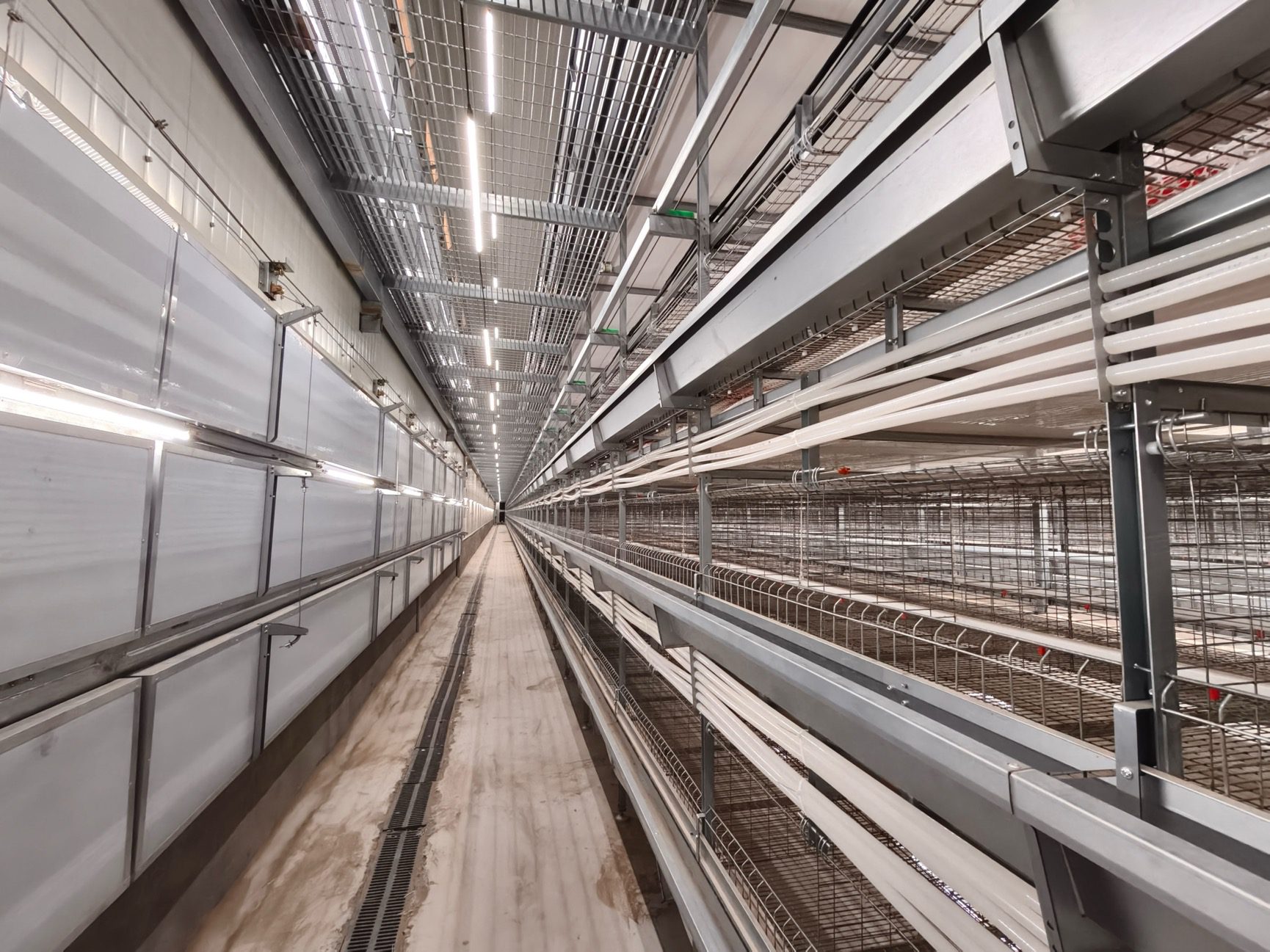
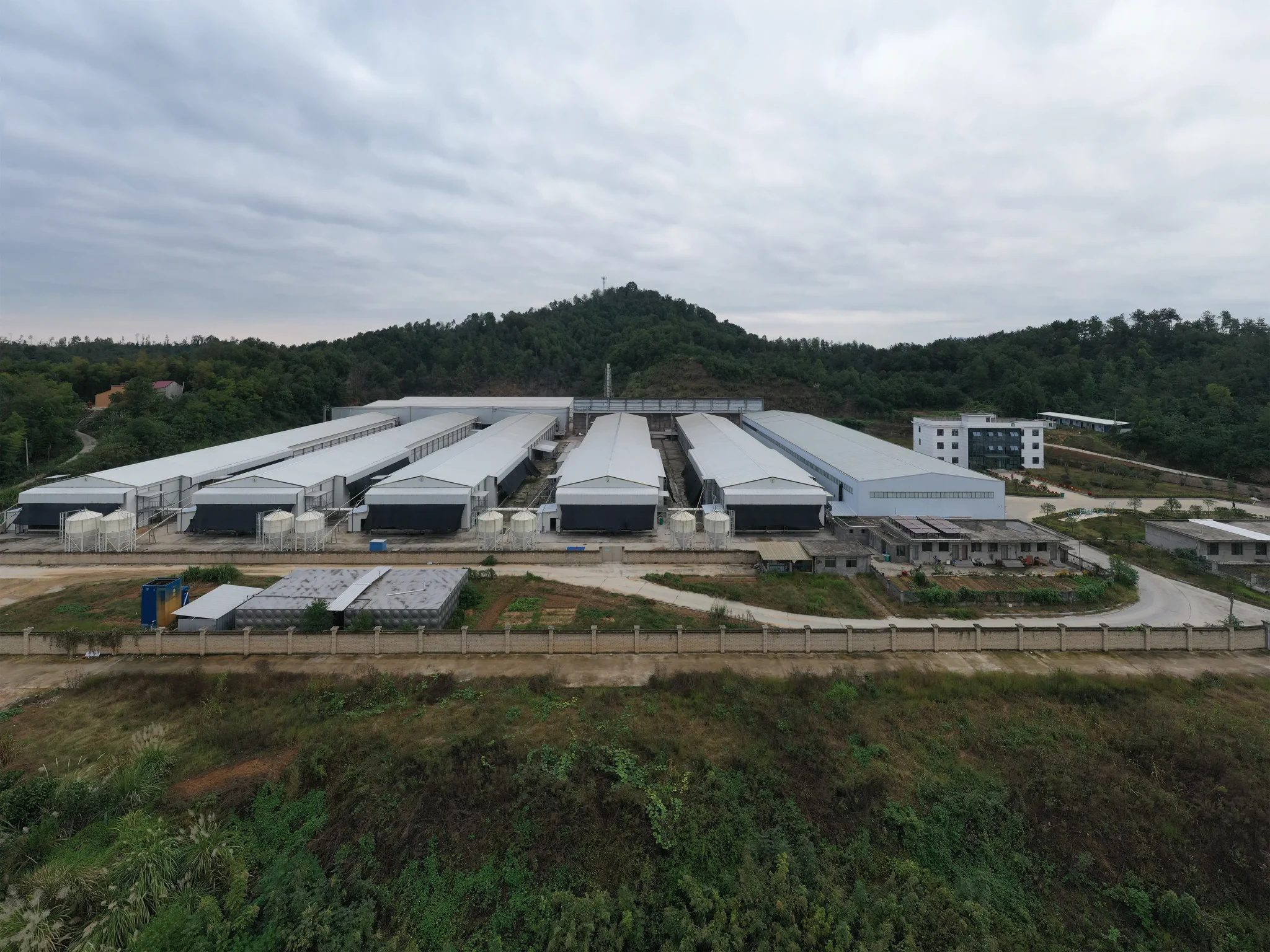
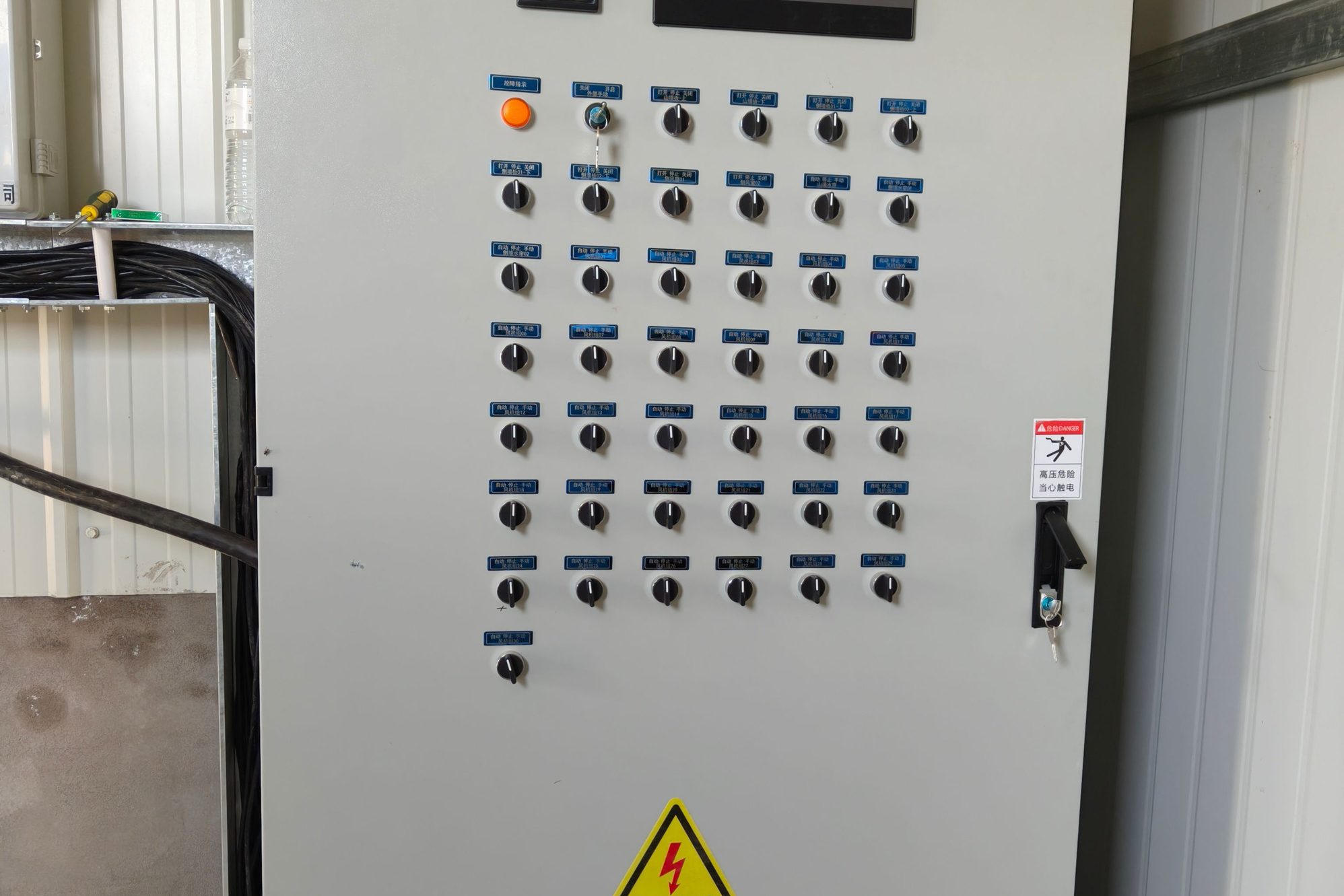
The 50,000-bird operation is really 5 × 10,000 or 2 × 25,000 houses running in parallel, and at that scale the design conversation changes fundamentally. A full EC house — environmentally controlled, fully closed — with tunnel ventilation, 8 to 10 exhaust fans per house, automated baffle and vent-window drives, and a PLC-based climate control system becomes the baseline rather than the upgrade. Egg production here runs through W750 central collection lines, and manure handling shifts from manual scrapers to PP belt conveyors with a dedicated cross and inclined conveyor. At 50,000 birds, the right question is no longer “what cages should we buy” but “what control architecture ties the site together”: Siemens or AC2000 PLC, IoT access for up to 20 mobile users, and a triple-layer alarm covering sound, SMS, and phone for the moments a fan fails at 3 a.m. A backup generator sized 20 to 30 percent above calculated load, paired with an automatic transfer switch that fires within 10 seconds of a power cut, is, in our experience, the single most valuable add-on at this scale.
Four-Dimension Selection Checklist
When you compare quotations from different poultry equipment suppliers, weight these four dimensions equally — price alone is a poor tie-breaker.
- Cage material and coating. Hot-dip galvanized (HDG) 275 g/m² steel, column thickness ≥ 2.0 mm, door wire ≥ ⌀5.0 mm, full-weld-then-dip rather than pre-galvanized wire. ZAM (zinc-aluminum-magnesium) is acceptable and lasts longer in coastal or high-humidity climates, and we recommend asking the supplier for a salt-spray test certificate rather than accepting a generic coating claim.
- Ventilation and cooling. Fan duty in m³/h per bird, baffle staging, cooling pad area, and whether the package is sized for your hottest design day, not the annual average. As a rule of thumb, an undersized ventilation system is the most common cause of avoidable summer mortality we see in retrofits, and the right fix is almost always more fans or more pad area, not a stronger controller.
- Climate control and visibility. Probes for temperature, humidity, CO₂, and ammonia, plus a controller that drives fans, pads, baffles, and vents in coordinated stages. A good EC house gives the farm manager the same data on a phone that the wall PLC sees on site.
- After-sales and spares. A documented spare-parts list with gear motors and nipple drinkers on 10 percent spare allocation, and a 72-hour cross-border shipping promise backed by an in-region agent. The cheapest quote almost never wins this column, and it should not.
YMAKO Product Lines
YMAKO groups its offering into four solution lines so a buyer can configure a complete site from a single vendor rather than chasing subsystems across three or four suppliers.
- Broiler Cage Systems — H-type open cages (25 to 30 birds per unit) and brooding cages (52 birds per unit) in HDG 275 g/m², with matched feeding, drinking, and manure-removal subsystems.
- Layer Cage Systems — 3- to 8-tier H-type and A-frame cages with central egg collection up to 45,000 eggs per hour, plus stainless-steel fasteners throughout.
- Poultry Control System — Siemens and AC2000 PLC options, IoT access for up to 20 phones, triple-layer alarm, automatic transfer switch, and full integration of fans, baffles, pads, lighting, and feeding on one dashboard.
- Organic Fertilizer System — Manure conveyors and composting add-ons that turn daily output into a sellable organic fertilizer stream, closing the loop on the EC house and adding a second revenue line.
Next Step
Send us your house dimensions, target bird count, and local climate data — we will return a free house plan and a matched quotation within 48 hours, and spare parts ship to more than 60 countries inside 72 hours. ymako.com.