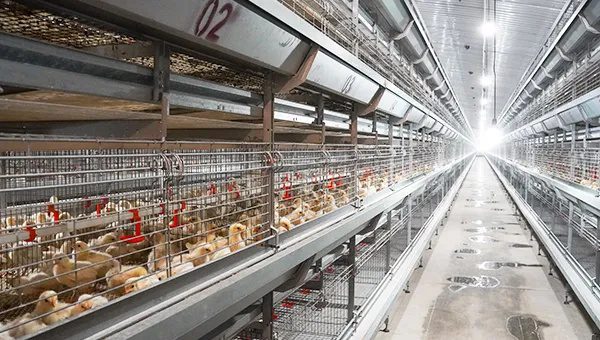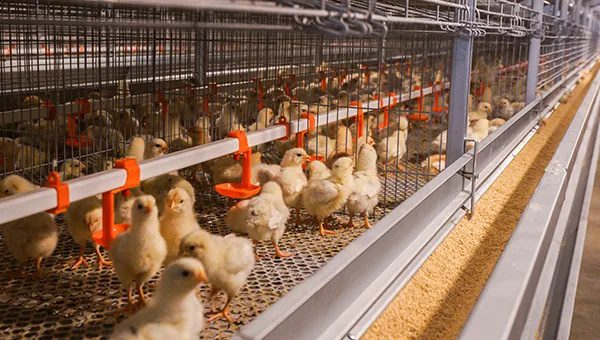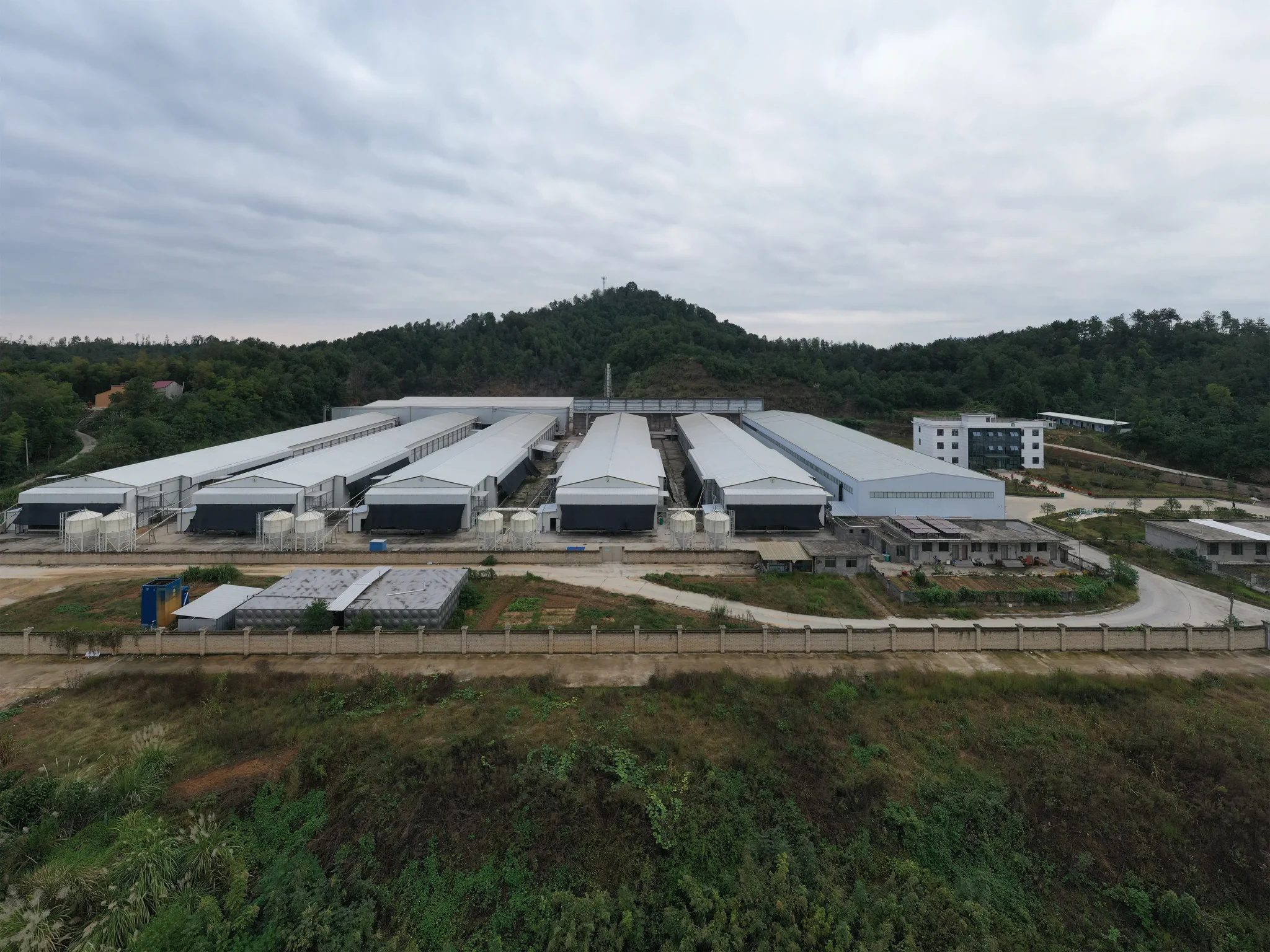
Livestock farmers around the world face a growing challenge: what to do with the massive amounts of manure generated daily. However, this waste stream represents a significant business opportunity. With the right organic fertilizer production line, you can transform livestock waste into a valuable, marketable product.
The Opportunity in Organic Fertilizer
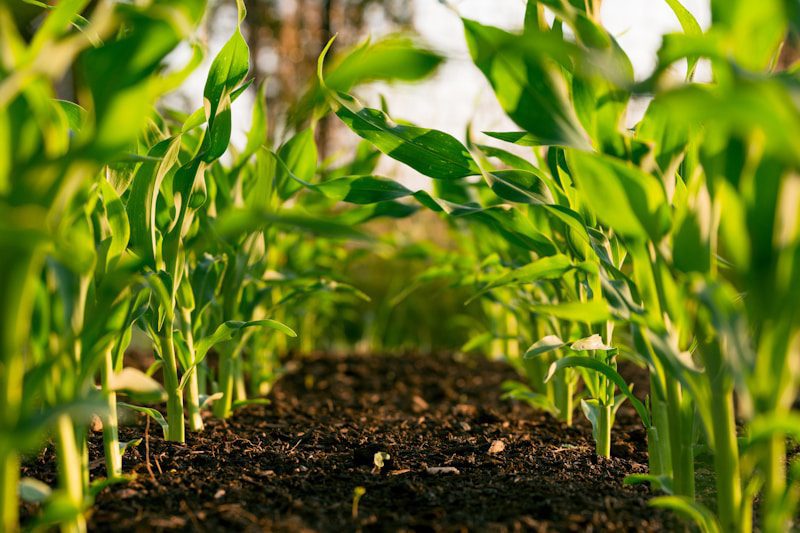
The global organic fertilizer market is expanding rapidly as farmers seek sustainable alternatives to chemical fertilizers. Livestock manure, rich in nitrogen, phosphorus, and potassium, is an ideal raw material for producing high-quality organic fertilizer. By investing in the right equipment, farms can turn an environmental liability into a profitable revenue stream.
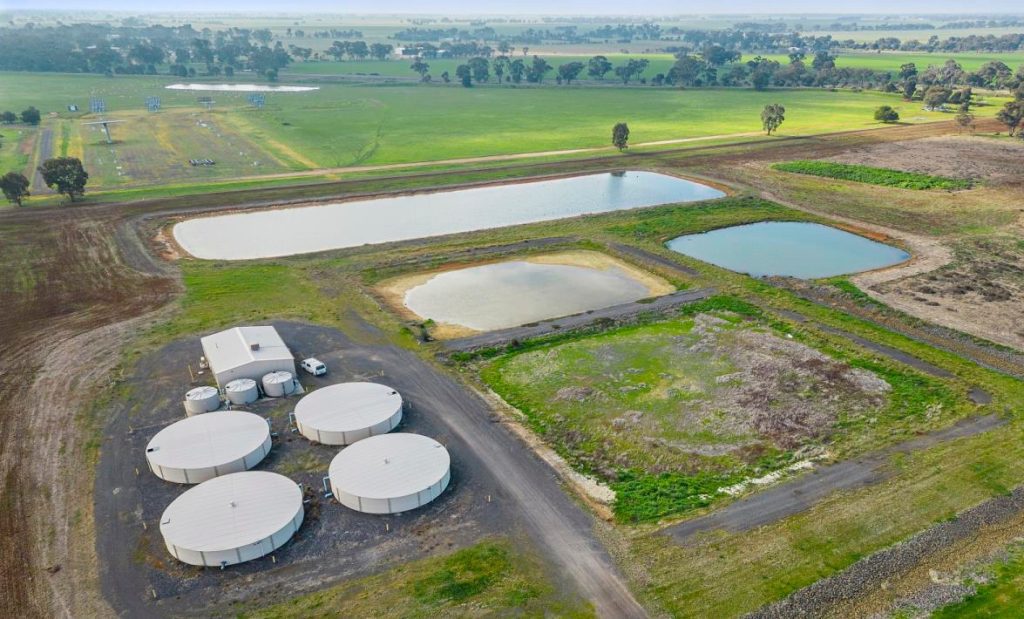
Key Components of a Complete Production Line
A modern organic fertilizer production line typically includes several stages:
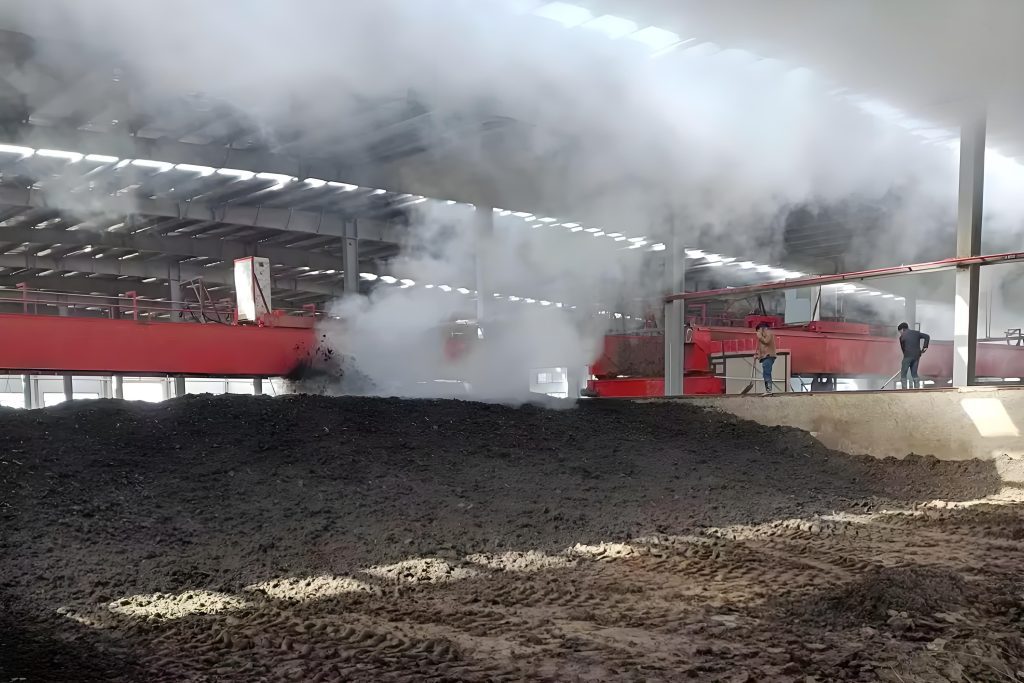
Composting and Fermentation: Raw manure undergoes aerobic fermentation to stabilize organic matter and eliminate pathogens. Advanced composting systems can complete this process in 15-20 days with proper temperature and moisture control.
Crushing and Mixing: After composting, materials are crushed to uniform particle size and mixed with supplementary nutrients to create a balanced fertilizer formula.
Granulation: This is the core of the production line. Using advanced granulator equipment, the composted material is formed into uniform granules. Different granulation technologies suit different production scales and raw material characteristics.
Drying and Cooling: Granules are dried to optimal moisture content (below 13%) and then cooled to prevent clumping during storage.
Screening and Packaging: Final product is screened to separate qualified granules, which are then automatically packaged for sale.
Technology Trends in 2026
The organic fertilizer equipment industry continues to evolve. Key trends in 2026 include:
– Multi-source Co-fermentation: Facilities are increasingly processing multiple waste streams together, including livestock manure, crop straw, and food waste.
– Energy-efficient Drying: New heat recovery systems reduce energy consumption by up to 30%.
– Automated Control Systems: PLC-based automation enables precise control over every stage of production with minimal labor.
– Custom Formulations: Flexible production lines can quickly switch between different fertilizer formulations to meet diverse customer needs.
Choosing the Right Equipment Partner
When selecting equipment for your organic fertilizer production line, look for a manufacturer with proven experience and reliable after-sales support. YMAKO provides complete organic fertilizer production lines for turning livestock waste into high-quality granular fertilizer. With projects across multiple countries and a team of experienced engineers, YMAKO can design a customized solution tailored to your raw materials, production capacity, and end-market requirements.
Conclusion
Converting livestock waste into organic fertilizer is not just an environmental solution—it is a smart business decision. With modern production equipment, farms can reduce waste management costs, create a new revenue stream, and contribute to sustainable agriculture. Contact YMAKO today to discuss your organic fertilizer production project.
From poultry house to fertilizer bag: The main feedstock for this organic fertilizer production line is manure from broiler cage systems and layer cage systems, plus waste from pullet and quail operations. YMAKO can design a complete chicken-house-to-pellet integration with matched capacity from 500 kg/h to 30 t/h.