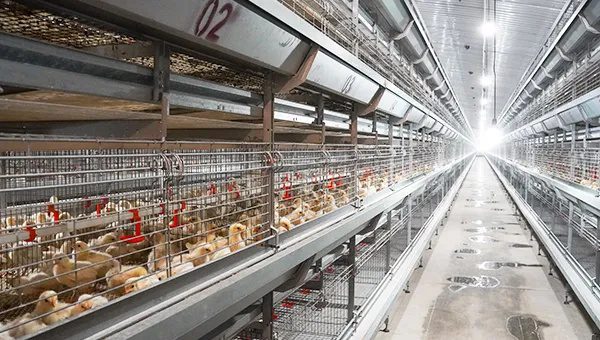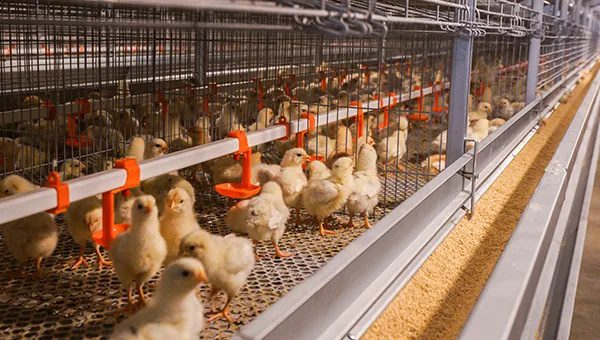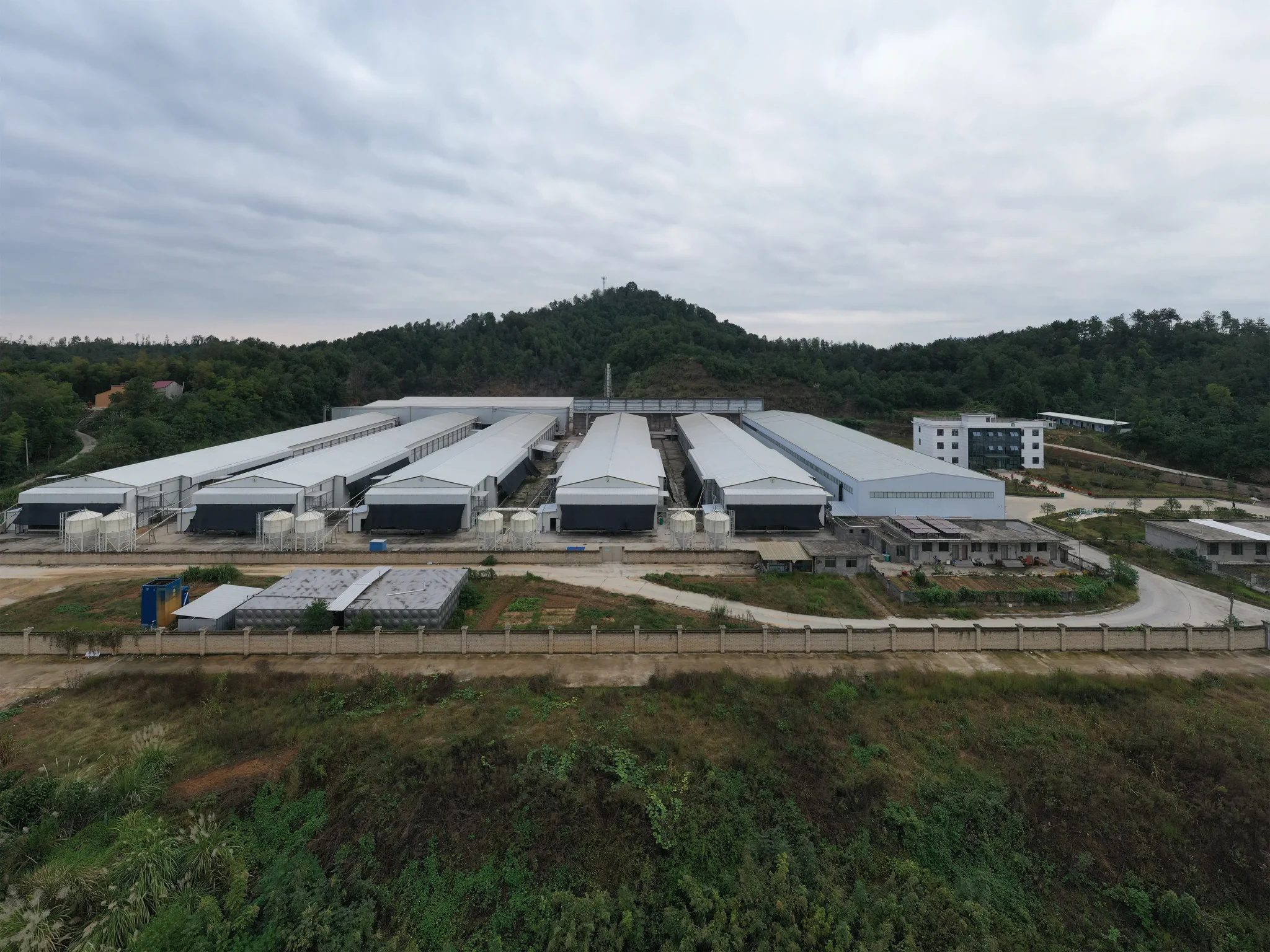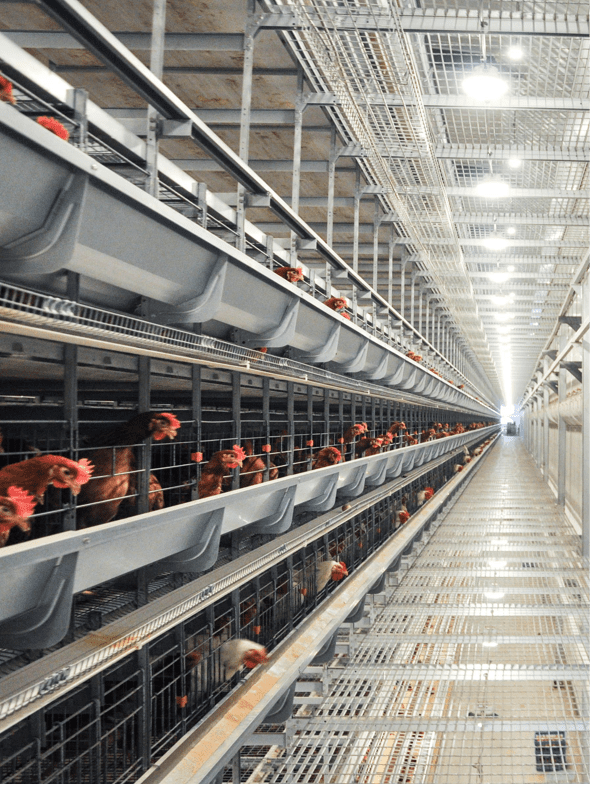
A layer chicken cage system is a structured housing solution designed for raising laying hens (egg-producing chickens) in commercial poultry operations. Typically, these systems consist of multiple tiers (levels) of cages stacked vertically within a poultry house, each holding several birds. This arrangement significantly improves space usage and makes large-scale egg production practical.
Main features include:
- Layer Cage layout for maximum bird density and efficiency.
- Integrated feeding and drinking systems to support healthy, consistent growth.
- Waste management via smart manure removal systems.
- Materials like galvanized wire for long service life and corrosion resistance.
- Modular designs: available as Type A layer cage、Layer breeder cage、layer cage、Pullet cage
- Compatibility with automated equipment for egg collection.
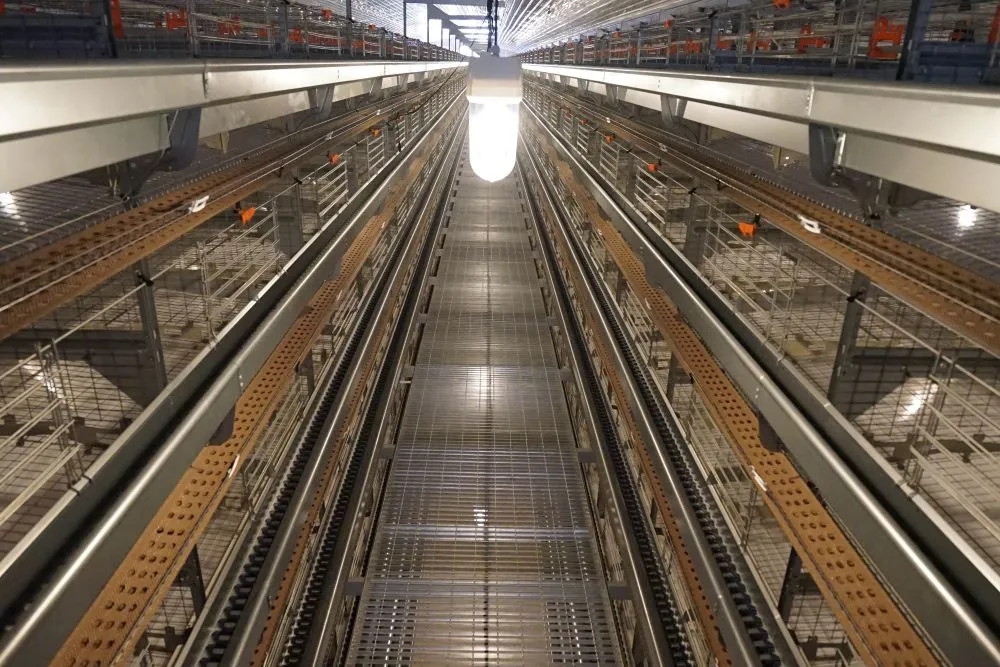
When we supply cage systems to clients, we ensure the design meets exact needs—from small-scale poultry producers to large-scale egg production companies.
Is this layer cage system suitable for broilers (meat chickens)?
No. This page covers layer (egg-laying hen) cage systems only. Layer cages are designed for housing laying hens in tiered rows with features optimized for egg collection, feed efficiency per dozen eggs, and manure handling during long laying cycles. Broiler (meat chicken) housing has different design priorities (rapid growth, lower density, different feeding and climate requirements). For broiler operations, see our dedicated broiler cage system page.
What size layer operation does YMAKO supply?
YMAKO supplies layer cage systems from 5,000 birds up to 500,000+ birds per site. Common configurations include A-type (4 tiers for warm climates) and H-type (5-8 tiers for higher density). Layouts are customized to your barn dimensions, climate, and labor model.
What is the difference between a layer cage and a pullet cage?
A layer cage houses mature laying hens (typically 18+ weeks) and integrates egg collection, lighting, and manure removal. A pullet cage houses young pullets (0-18 weeks) and is sized to growing bird dimensions, with a focus on even growth, vaccination access, and transition to the layer barn. Many farms run pullet and layer cages as separate phases of the same production cycle.
Broiler Cage System vs Layer Cage System: Key Differences
While both cage systems automate feeding, drinking, and manure removal, layer (egg-laying) cages and broiler (meat chicken) cages are designed for very different production goals. If you are housing broilers, this layer cage system is not the right fit; see our dedicated broiler cage system page for meat chicken operations instead.
The main differences are:
- Bird type and cycle length — Layer cages house egg-laying hens for 60-80 week production cycles focused on consistent egg output. Broiler cages house meat chickens for 35-45 day growth cycles focused on weight gain and feed conversion.
- Cage density and tier height — Layer cages are typically A-type (4 tiers, easier bird access) or H-type (5-8 tiers, higher density per square meter). Broiler cages prioritize lower stocking density per bird and more headroom for fast growth.
- Floor and manure handling — Layer cages use sloped floors so eggs roll out to collection belts automatically. Broiler cages use flat or partially sloped floors to protect breast meat quality, with manure belts running more frequently.
- Lighting and climate target — Layer houses aim for stable 16-hour photoperiods and tight temperature bands to keep laying cycles consistent. Broiler houses adjust lighting and temperature as birds grow through starter, grower, and finisher phases.
- Feeding curve — Layer feeding is metered to support shell quality and egg mass, often with phase feeding by week of lay. Broiler feeding is dense in protein and energy to maximize daily weight gain.
For a deeper look at broiler-specific equipment (cage dimensions, density tables, drinking and feeding specs), see the broiler cage system page. For egg-laying operations, the rest of this page covers layer cage selection, layout planning, and integration with poultry house design and poultry climate control.
Build out a complete layer operation: Pair this layer cage system with an automatic chicken feeder for daily feed delivery, and a poultry climate control system for stable temperature. For the pullet phase (0-18 weeks) before laying, use pullet cage systems. For meat bird operations, see the broiler cage system instead.