Project Overview
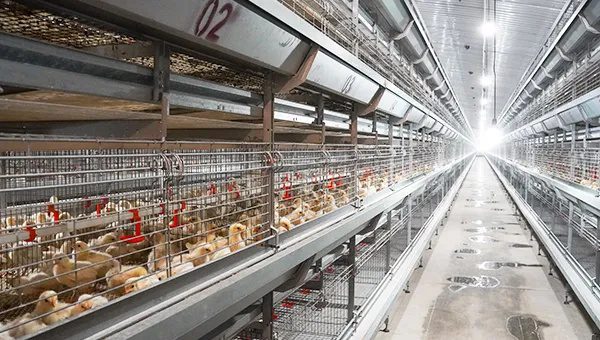
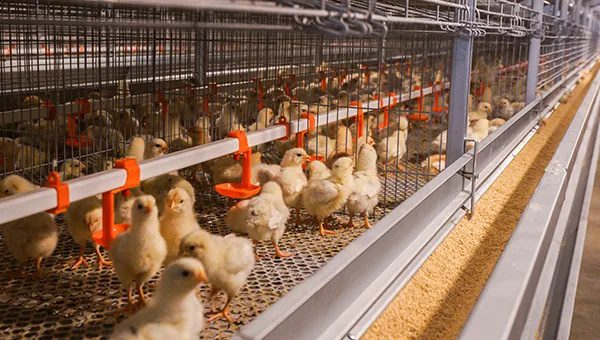
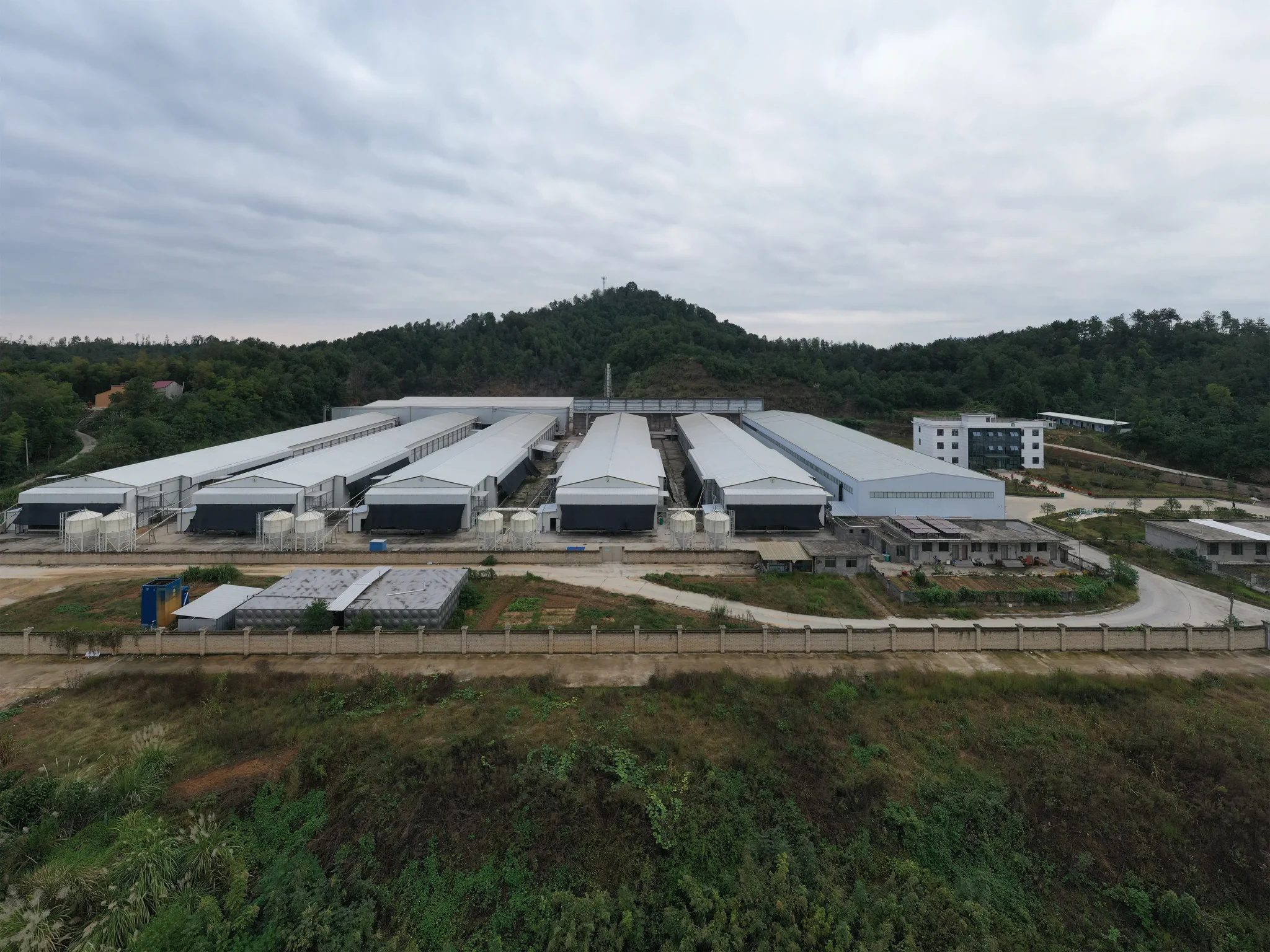
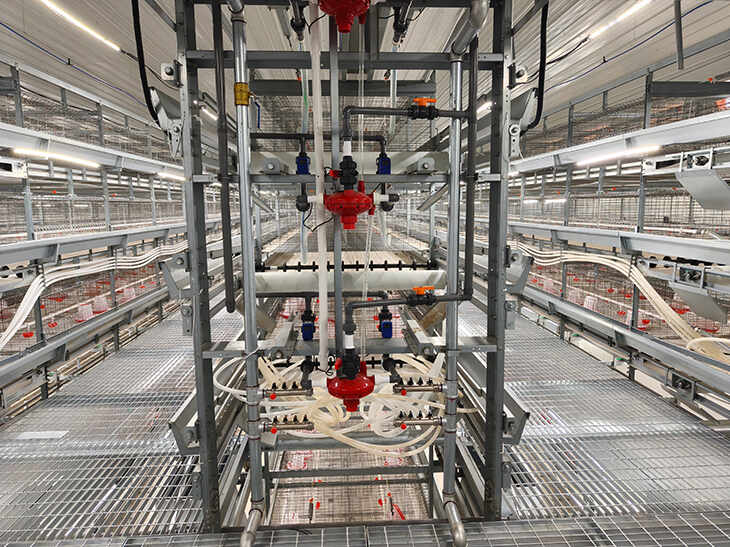
This initiative centered on the deployment of a modern, multi-tier automated cage system for layer hens in the Philippines. The comprehensive solution included a fully automatic feeding system, a nipple drinking water system, and a conveyor-based manure removal system. The primary goal was to establish a highly efficient, sanitary, and manageable farming operation. As a result, the project was executed in phases, encompassing procurement, installation, commissioning, and hands-on training, to ensure a smooth transition and empower farmers with complete operational and maintenance mastery of the new equipment.
Project Overview of the Automated Cage System
This automated cage system project replaced an older open-floor setup that struggled with heat, humidity, and rising labor costs. By moving the flock into a climate-controlled multi-tier cage house, the farm operator gained tighter control over feed conversion, mortality, and daily egg collection. Furthermore, the automated cage system layout makes routine tasks predictable, so the same small team can manage a larger flock without working longer hours.
Equipment Selection and Adaptation
Tailoring the system to local conditions was paramount. The project team selected corrosion-resistant, high-durability materials suitable for long-term use in a tropical climate. A key design focus was an enhanced ventilation system engineered specifically for the region’s heat and humidity, ensuring optimal ambient conditions for layer health and productivity year-round. Each battery of the automated cage system efficiently houses several hundred birds, maximizing vertical space utilization to significantly increase stock density and overall farm output. In addition, the materials selection protects the automated cage system from the salt-heavy coastal air found across many Philippine sites.
Benefit Analysis After the Automated Cage System Went Live
The implementation of this automated cage system has delivered substantial improvements to the farm’s operations. Centralized automation has dramatically reduced daily labor requirements and associated costs. The precision of the automated feeding and watering lines ensures consistent nutrition for the flock, directly enhancing egg production rates and quality uniformity. Furthermore, the automated manure removal system continuously clears waste, drastically improving barn hygiene. Consequently, this critical upgrade minimizes pathogen buildup, leading to a healthier flock, a notable reduction in disease incidence, and lower veterinary expenses.
Training and Ongoing Support for the Automated Cage System
To secure the long-term success and sustainability of the investment, the equipment supplier provided extensive training for the farm operators. This training covered daily equipment maintenance, troubleshooting procedures, and best practices in modern flock management. Complementing the initial training, the project team established a schedule for periodic follow-up visits. This commitment to after-sales support allows for the timely collection of feedback and the swift resolution of any operational questions, ensuring the automated cage system continues to perform at its peak. Finally, the farm keeps a digital maintenance log so each follow-up visit targets the parts that need it most.
For context on how tropical-climate poultry operations compare to temperate-region farms, see the FAO poultry production guidelines. In addition, the YMAKO poultry control system overview explains how climate automation extends to other regions with similar humidity challenges.