Project Background
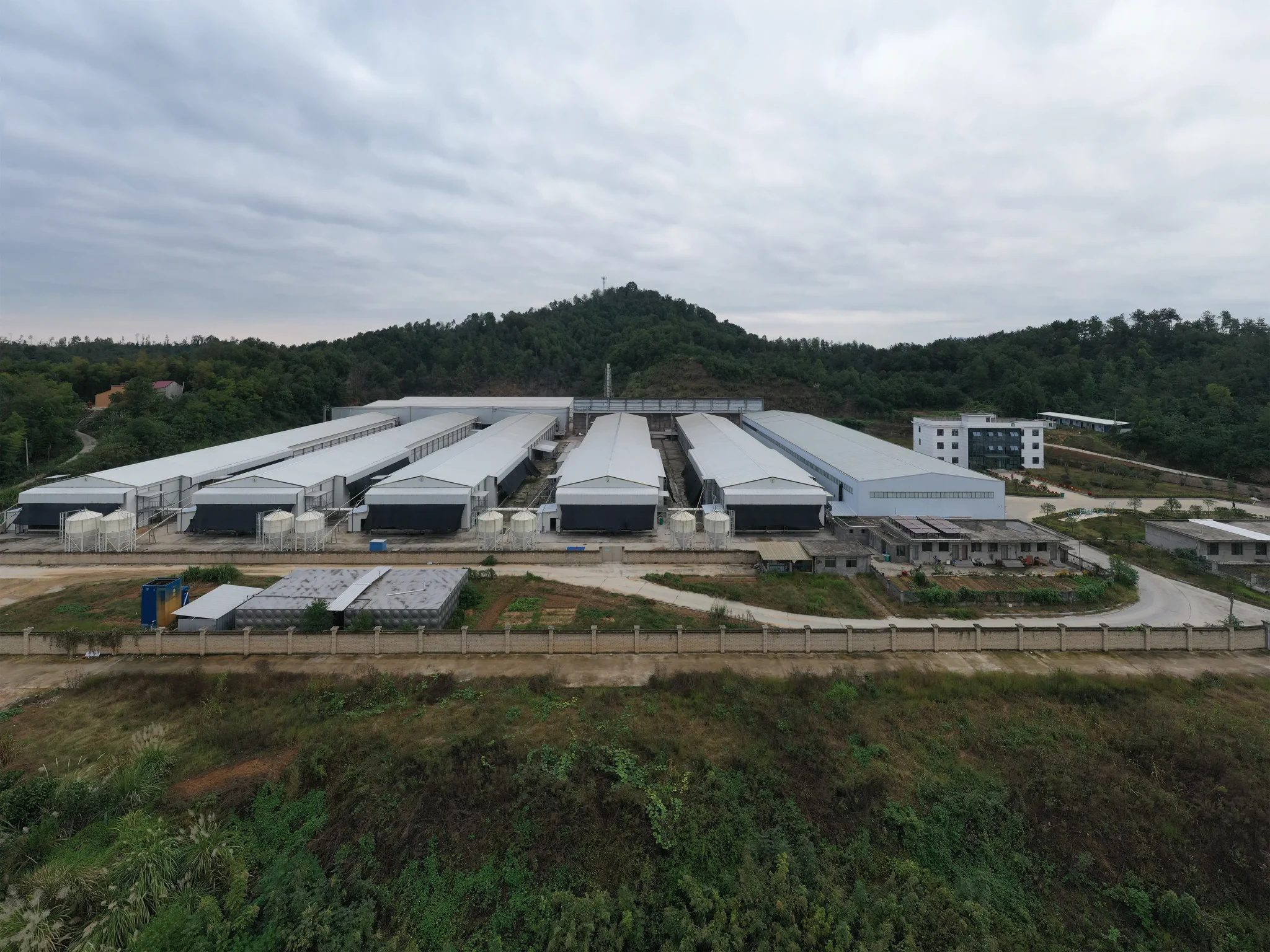
Situated in Central Asia, Kyrgyzstan has a significant agricultural sector where traditional free-range poultry farming has been a common practice. While this method aligns with certain local customs, it has increasingly shown limitations in consistent productivity and operational efficiency. Factors such as disease vulnerability, variable climate conditions, and shifting market demands have highlighted the need for more resilient and controlled production methods. To address these challenges, specifically to enhance laying hen welfare, boost egg output, and improve overall farm profitability, progressive farmers in Kyrgyzstan began a poultry farm upgrade toward modern, automated poultry equipment solutions.
Project Background: The Need for a Poultry Farm Upgrade
This poultry farm upgrade started as a response to three pressures on the farm. First, free-range housing left birds exposed to predators and weather swings, which cut laying consistency. Second, manual feeding and watering tied up most of the workday for a small labor team. Third, the local market started demanding cleaner, more uniform eggs than the existing setup could produce. In response, the farm operator evaluated several options and concluded that a poultry farm upgrade built around an automated cage system offered the best balance of cost, control, and long-term scalability.
Poultry Farm Upgrade with an Automated Cage System
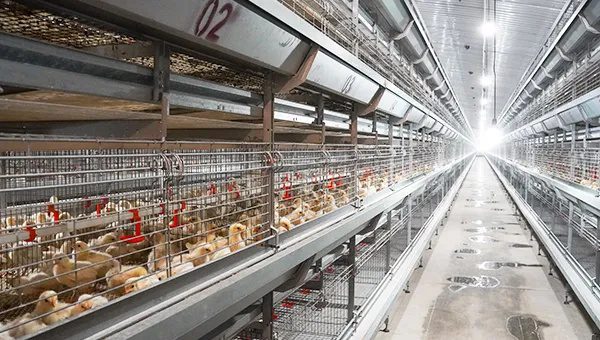
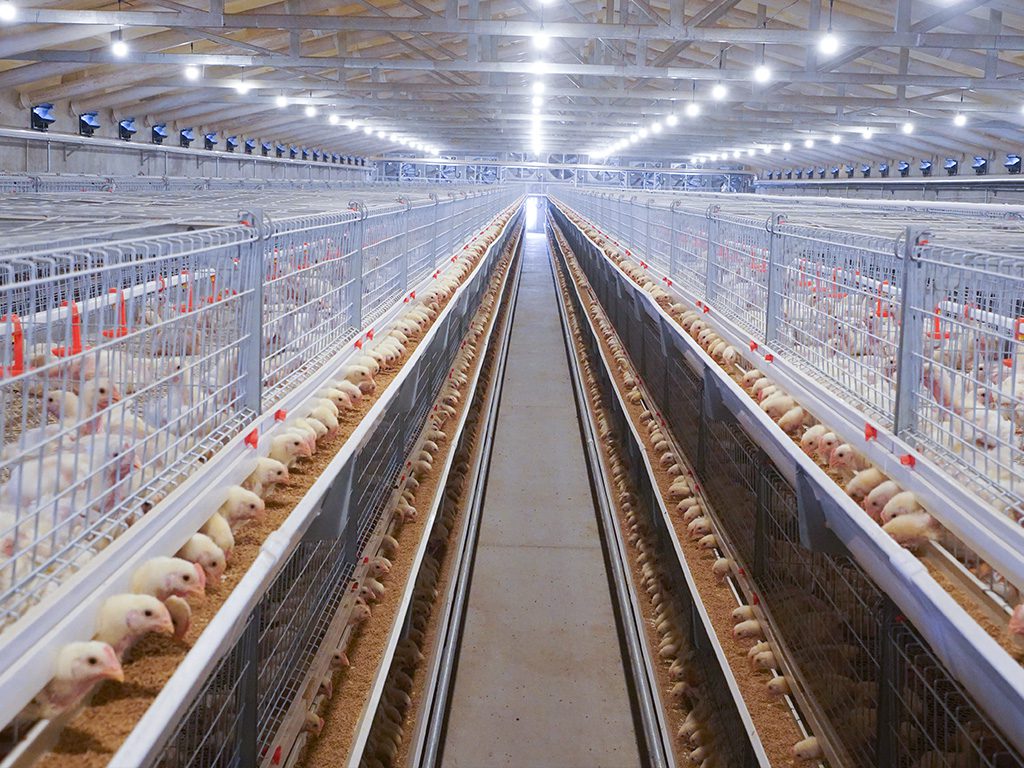
A local farm embarked on a strategic poultry farm upgrade by installing a modern, multi-tier cage system for laying hens. This turnkey solution was selected to deliver tangible improvements across several key operational areas. Furthermore, the system design allowed the farm to phase the poultry farm upgrade over time rather than take the entire house offline in a single shutdown.
System Advantages from the Poultry Farm Upgrade
Superior Product Quality and Traceability: The controlled environment and automated monitoring facilitate precise management of nutrition, lighting, and climate. This consistency supports the hens’ well-being and peak laying performance, leading to more uniform, higher-quality egg production. In addition, the system enables better tracking and management of flock performance data, which the farm uses to fine-tune feed programs over time.
Optimized Space Utilization and Farm Capacity: Unlike traditional floor-based systems that require extensive land, the automated cage system makes intelligent use of vertical space. Consequently, the poultry farm upgrade allows a significantly higher number of birds to be housed within the same building footprint, dramatically increasing production density and overall output per unit area without expanding the farm’s physical footprint.
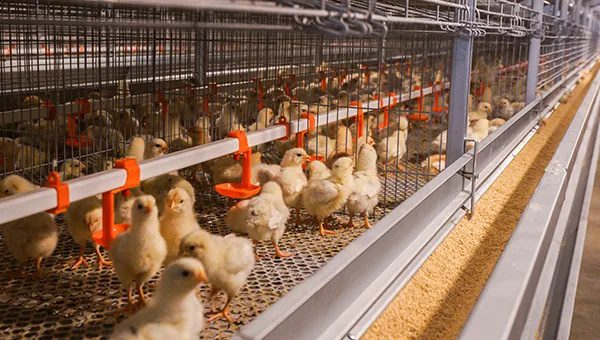
Streamlined Operation through Automation: The integrated system includes automated features for feeding, watering, and manure removal. This automation drastically reduces the daily manual labor required from farm staff, minimizing human error and allowing personnel to focus on animal oversight and management tasks. As a result, the poultry farm upgrade produces a more efficient workflow and lower long-term labor costs.
Outcome and Forward Look
The transition to an automated cage system represents a foundational step for this farm toward modern, data-informed poultry production. This poultry farm upgrade demonstrates how technological investment can directly address the limitations of traditional methods, setting a new standard for efficiency, animal welfare, and product quality in the region’s agriculture sector. Furthermore, the project team is already planning the next phase of the poultry farm upgrade, which will add automated egg collection and a centralized climate control loop. In addition, the data collected during this first phase will guide feed program adjustments in the coming laying cycles.
For background on why controlled-environment housing improves laying rates, see the FAO poultry production guidelines.