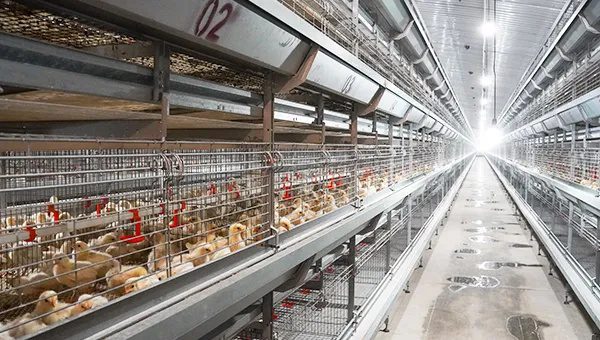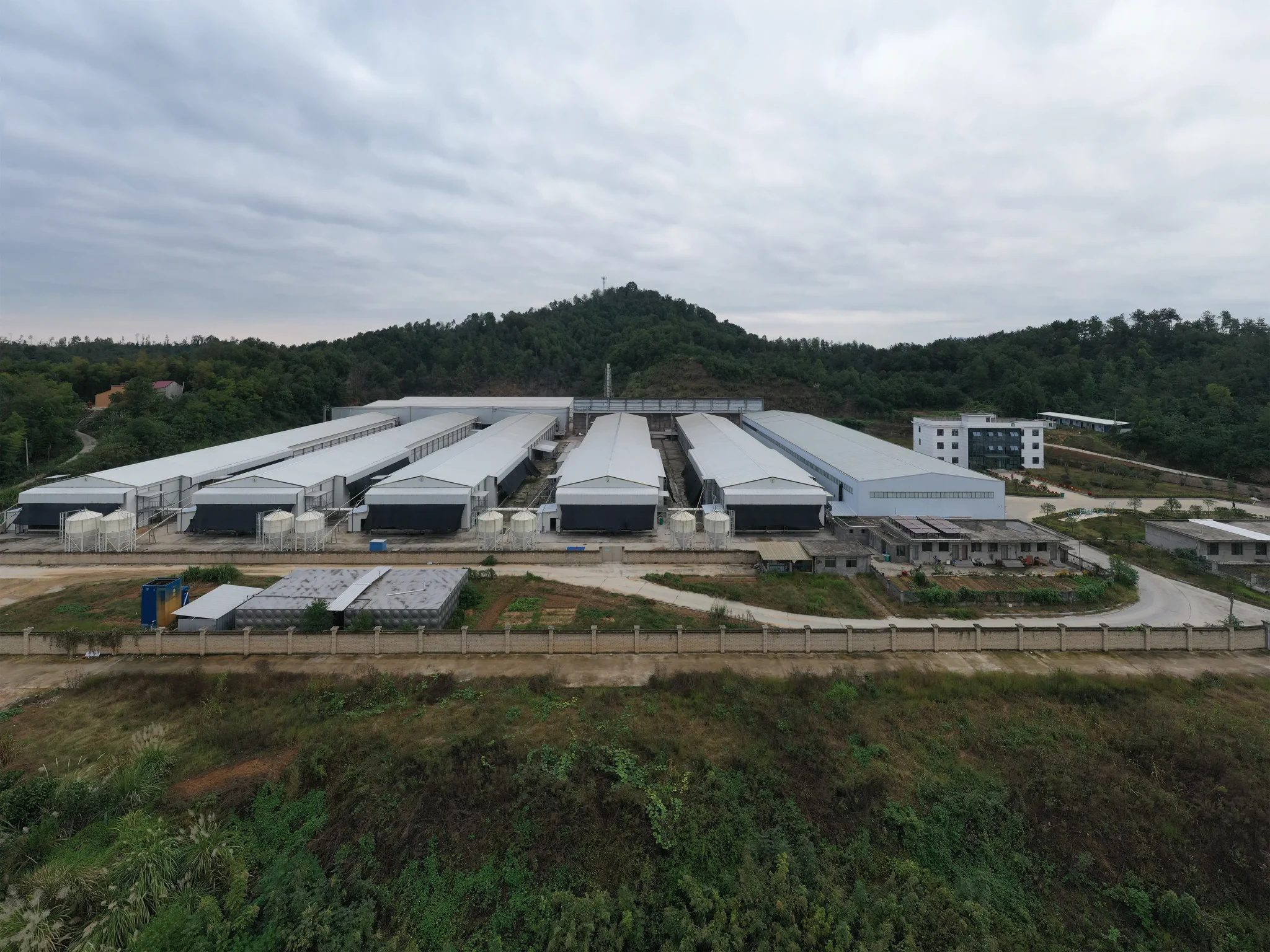
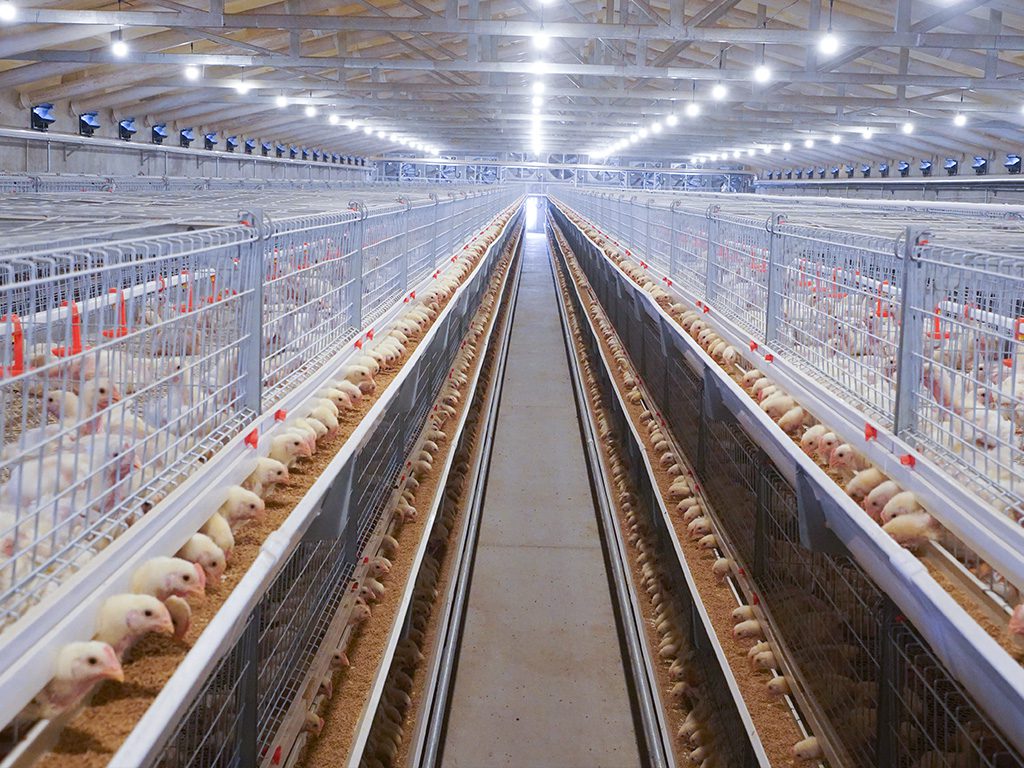
Modern broiler farming in cage systems combines automation with precision management to maximize meat production efficiency. This comprehensive guide covers essential aspects of commercial broiler cage operations, from breed selection to environmental control.
Choosing the Right Broiler Breeds for Cage Systems
Select appropriate broiler breeds specifically developed for intensive cage environments. Ross 308, Cobb 500, and Arbor Acres are industry standards due to their:
- Fast growth rates (42-45 days to market weight)
- Excellent feed conversion ratios (1.5-1.7:1)
- Strong disease resistance in controlled environments
- Consistent meat quality and carcass yield
These breeds perform optimally in cage systems because they adapt well to uniform feeding and controlled environmental conditions. Conduct regular performance evaluations to track growth curves and adjust feeding programs accordingly.
Stocking Density Optimization
Proper stocking density directly impacts bird welfare, growth rates, and profitability. Recommended densities vary by cage type and market weight targets:
For 2.5-2.8 kg market weight:
- A-type cages: 12-14 birds per square meter
- H-type cages: 10-12 birds per square meter
For 3.0-3.2 kg market weight:
- A-type cages: 10-12 birds per square meter
- H-type cages: 8-10 birds per square meter
Overcrowding increases mortality rates and reduces weight uniformity, while under-stocking wastes valuable facility space. Monitor bird behavior and ammonia levels weekly to verify density remains optimal throughout the production cycle.
Temperature Control for Optimal Growth
Broiler birds are highly sensitive to temperature fluctuations during critical growth stages:
Brooding Phase (0-14 days):
- Start temperature: 33-35°C
- Daily reduction: 0.3-0.5°C
- End temperature: 26-28°C
Growing Phase (15-35 days):
- Maintain: 22-25°C
- Humidity: 60-65%
Finishing Phase (36-45 days):
- Maintain: 20-22°C
- Humidity: 55-60%
Invest in automated climate control systems that continuously monitor and adjust temperature, humidity, and air quality. Cage systems benefit from centralized environmental management compared to floor-rearing operations.
Automated Feeding Systems and Nutrition
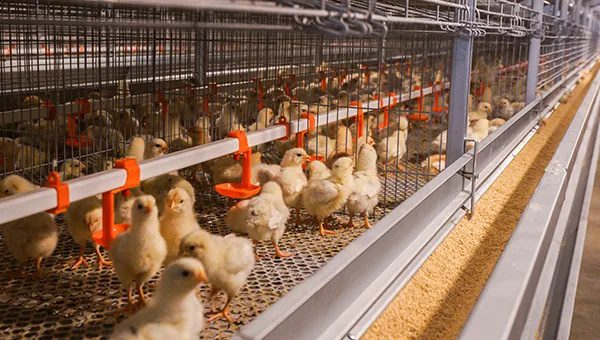
Cage systems enable precise feed distribution and reduce waste significantly. Key feeding management practices:
Feeder Line Configuration:
- Install feed pans every 30-40 cm along the cage row
- Ensure even feed distribution within 5 minutes of system activation
- Monitor feed trough levels 2-3 times daily
Nutritional Strategy:
- Phase feeding based on bird age and weight
- Adjust protein levels: starter (23-24%), grower (20-21%), finisher (18-19%)
- Supplement with vitamins and electrolytes during stress periods
Automated feeding systems track consumption patterns and alert operators to irregularities. This data-driven approach optimizes feed conversion ratios and reduces overall feed costs.
Health Management and Biosecurity
Biosecurity protocols in cage systems focus on preventing pathogen introduction through controlled access points:
- Install foot baths with effective disinfectants at all facility entrances
- Implement strict visitor policies with mandatory health declarations
- Schedule regular cleaning and disinfection cycles between flocks
- Maintain comprehensive vaccination records and schedules
Cage systems reduce contact between birds and litter, lowering the risk of respiratory and digestive infections. However, continuous monitoring remains essential for early disease detection and rapid response.
Water Quality and Management
Clean water is critical for broiler health and performance. Cage systems require:
- Automatic nipple drinkers with drip-free design
- Regular water line flushing and sanitization
- Continuous monitoring of water pressure and flow rates
- Water quality testing for bacterial contamination
Water consumption increases by 15-20% during hot weather. Ensure system capacity can handle peak demand periods without pressure drops or interruptions.
Performance Monitoring and Data Analysis
Modern cage systems integrate IoT sensors for real-time monitoring:
Key Metrics to Track:
- Daily weight gain and feed conversion ratios
- Mortality rates and causes
- Environmental parameters (temperature, humidity, ammonia)
- Water consumption patterns
Analyze production data after each cycle to identify trends and improvement opportunities. Benchmark your results against industry standards to maintain competitive operations.
Related Resources
Learn more about YMAKO’s comprehensive solutions for poultry operations:
- Layer Cage Systems for egg production facilities
- Organic Fertilizer Systems for waste management
- Latest Industry Insights and case studies
Conclusion
Broiler farming in cage systems represents a significant advancement in poultry meat production efficiency. By selecting appropriate breeds, optimizing stocking density, maintaining precise environmental control, and implementing automated management systems, commercial operations can achieve consistent high-quality production while maximizing profitability. Regular training of staff and staying updated with industry best practices ensures sustainable success in competitive markets.
—
FAQ
What is the ideal temperature for broiler chickens in cage systems?
Maintain 33-35°C during the first week, gradually reducing to 20-22°C by the final week. Automated climate control systems maintain optimal temperatures throughout the 42-45 day production cycle.
How many broiler chickens should be placed per cage?
For A-type cages, stock 12-14 birds per square meter for 2.5-2.8 kg market weight, or 10-12 birds for 3.0-3.2 kg. H-type cages require 10-12 and 8-10 birds respectively. Monitor bird behavior and adjust density based on performance data.
What is the feed conversion ratio for broilers in cage systems?
Efficient cage operations achieve feed conversion ratios between 1.5-1.7:1. This means 1.5-1.7 kg of feed produces 1 kg of live weight. Automated feeding systems and precise nutrition management optimize FCR.
How often should cage systems be cleaned and disinfected?
Complete cleaning and disinfection should occur between each production cycle, typically every 42-45 days. Schedule downtime for thorough cleaning, maintenance, and biosecurity protocols to prevent disease carryover between flocks.
What are the advantages of cage systems over floor-rearing for broilers?
Cage systems offer superior feed efficiency, reduced disease transmission, better environmental control, and easier manure management. They also improve bird handling efficiency and reduce mortality rates compared to traditional floor-rearing methods.